
As part of the implementation of the Institutional Catering Programme, the Lviv Agrarian Chamber intends to visit all institutions participating in the Programme. Consequently, on 23 September, monitoring officer Davyd Kravchenko visited eight institutions located in the Yavoriv district. The mission was organised to familiarise himself with the institutions’ activities, gather feedback on the Programme’s effectiveness, and engage directly with the people receiving assistance.
At the Y. Lypa Hospital in Novoyavorivsk, food received under the Programme is used to feed approximately 350 patients daily. In September, the hospital received over two tonnes of long-life foodstuffs – cereals, flour, sugar and oil – which represents a significant saving of budget funds.
“The food we receive helps us save money and enables us to prepare plenty of nutritious meals, as the food is fortified with vitamins and of high quality. Therefore, the hospital is able to significantly improve and diversify patients’ diets. And not only thanks to the food supplied, but also through the funds freed up, which are directed towards purchasing a greater quantity and variety of meat and dairy products, fruit and vegetables,” said dietitian Natalia Forostyak.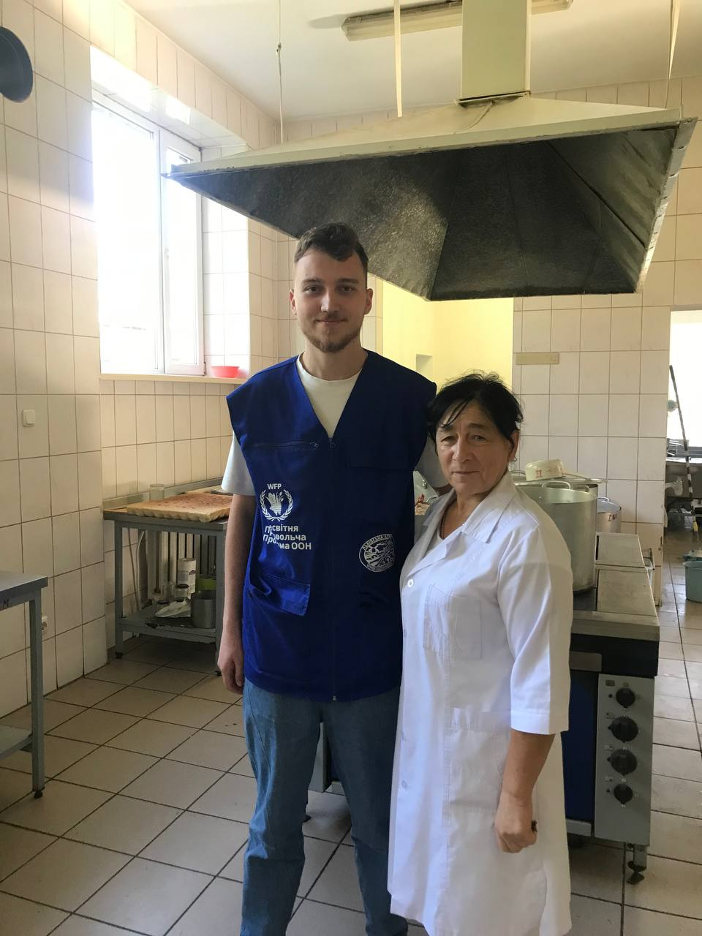
The Krakivets Educational and Rehabilitation Centre for Advanced Vocational Training is also a participant in the Institutional Food Programme. The centre works to ensure the right to education for children with special educational needs and complex developmental disabilities, and also promotes their integration into society through comprehensive rehabilitation measures.
“Cooperation with the Lviv Agrarian Chamber under the UN WFP Institutional Feeding Programme is a significant help for children in need, as the institution channels the savings into implementing measures to improve their living conditions and rehabilitation. There are currently 60 children at the Centre, and the institution is actively working to ensure the best possible conditions for their education and socialisation,” the educational and rehabilitation centre notes.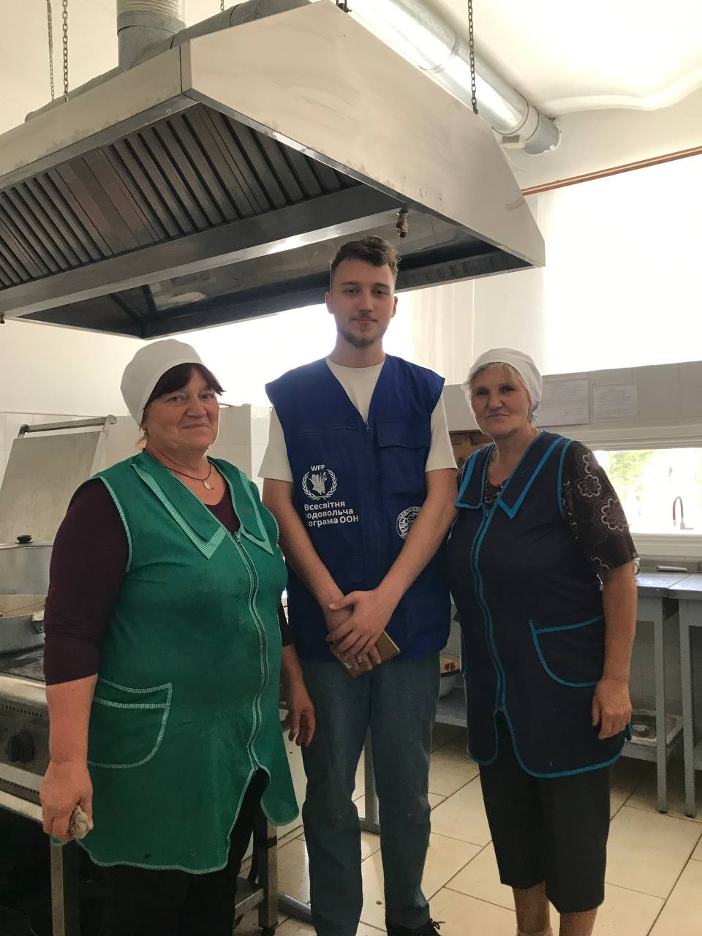
The monitoring visit to the Yavoriv Central District Hospital took place during lunch, so Davyd Kravchenko had the opportunity to see what meals the kitchen staff had prepared for the patients. The menu included buckwheat porridge, pea soup and beetroot salad. The staff highlighted the good quality of the food and demonstrated the conditions for its storage and record-keeping.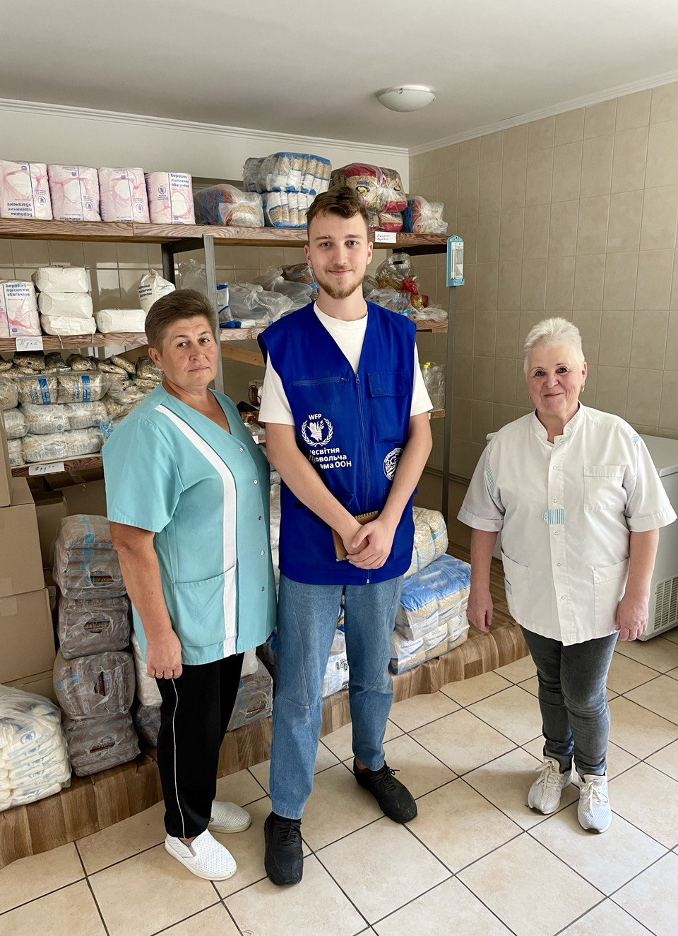
On the same day, the monitoring officer also visited the Yavoriv Central District Hospital, the Nemyriv City Hospital (under the Yavoriv City Council of Lviv Oblast), and the Rava-Ruska Hospital (under the Rava-Ruska City Council). The palliative care department of the Lviv Regional Council’s “Monastyrok Psychoneurological Boarding School”, and the Lviv Regional Council Municipal Institution “Zlagoda Multidisciplinary Training and Rehabilitation Centre”, met with the heads of the institutions, inspected the storage facilities, the premises for food preparation and serving, and the locations of information posters.
In discussions with the heads of the visited institutions, Davyd Kravchenko emphasised the importance of adhering to food storage requirements, organising continuous monitoring, and ensuring transparency in record-keeping and reporting on their use, regulating orders for food supplies to ensure there is no surplus in warehouses and that all food is used within the expiry dates specified in the certificates of origin and quality. Davyd Kravchenko also highlighted the importance of placing information posters in appropriate locations to provide beneficiaries with comprehensive information about the Institutional Food Programme and the opportunity for feedback via free access to the WFP and LAP hotlines.
It should be noted that virtually all the institutions visited ensured an appropriate level of storage and use of the products received under the Institutional Food Programme. Furthermore, feedback from beneficiaries indicates the regular use of these products for meals and the high quality of the prepared dishes.
Incidentally, monitoring missions are important not only for verifying that establishments comply with the Programme’s requirements regarding storage facilities and product storage conditions, but also for direct communication with staff and aid recipients, which allows for the identification of shortcomings requiring rectification, as well as for assessing the effectiveness of the Programme.
Source: Lviv Agrarian Chamber