
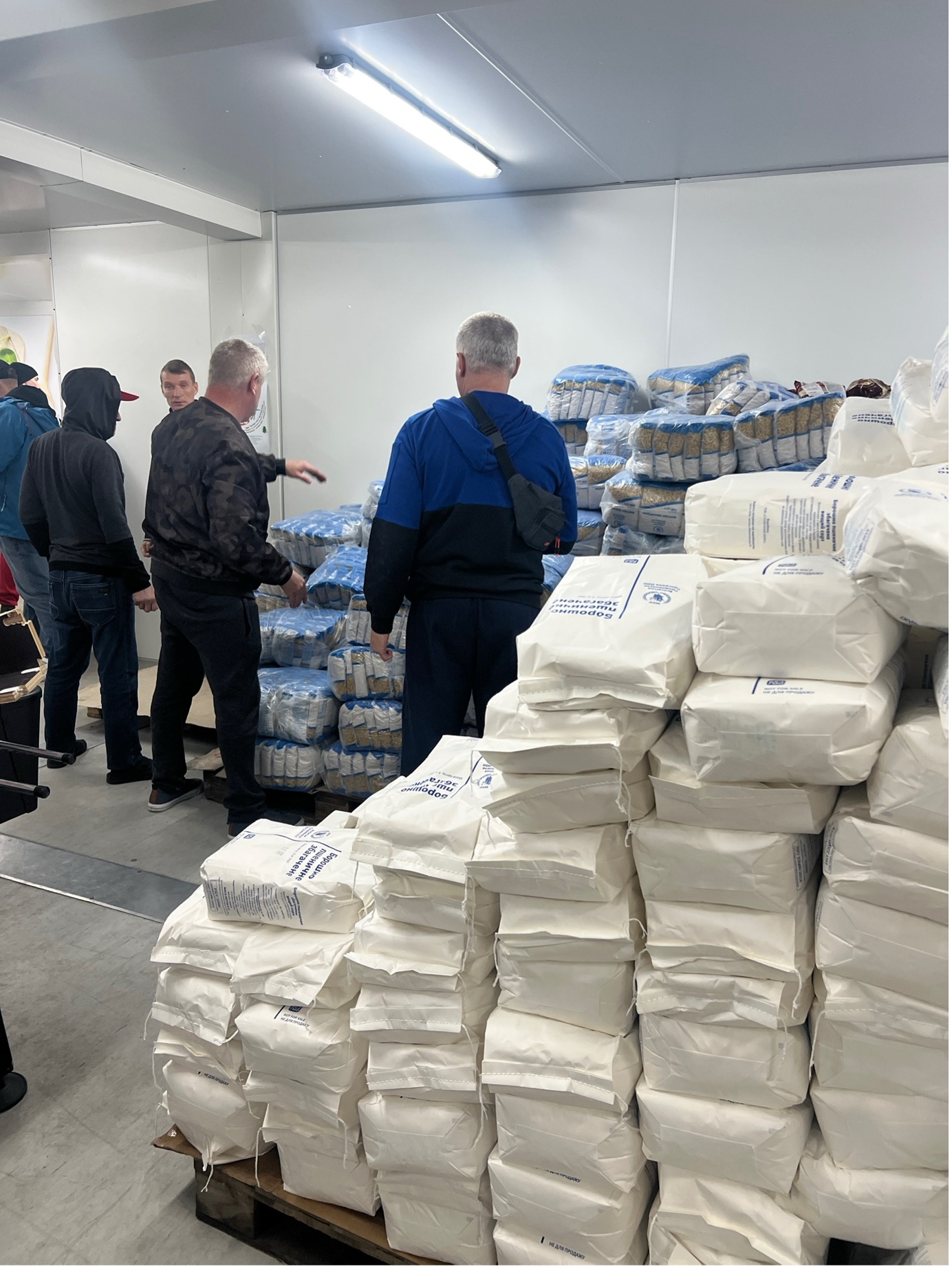
In April this year, teams from the Lviv and Ternopil regions made a significant impact through the scale of their work, delivering food to 111 institutions for 15,425 beneficiaries. This amounts to almost 100 tonnes of food. An analysis of the figures confirms the Programme’s growing impact on the quality of life and well-being of people in need in the region.
Of the 111 institutions that received humanitarian aid, the largest proportion – 45 per cent – are healthcare facilities. This list also includes specialised children’s institutions – 10 per cent, care homes for the elderly – 13 per cent, shelters for IDPs – 18 per cent, and religious institutions caring for those in need – 9 per cent. Charities, educational institutions and local authorities providing social services also received aid.
The UN World Food Programme’s (WFP) Institutional Food Programme has become not only a source of food supplies but also a symbol of stability and reliability for aid recipients. For institutions participating in the Programme, it allows them to plan their budgets and develop with confidence in the steady supply of essential food items, whilst enabling them to use their own funds to meet other needs.
It should be noted that the success of this Programme is the result of the joint efforts of the UN World Food Programme, the Lviv Agrarian Chamber and the institutions that have joined the programme. The Lviv Agrarian Chamber expresses its gratitude to everyone who has joined this noble initiative and helped to make life better for a significant number of people in need.
Source: Lviv Agrarian Chamber