

Russia’s war of aggression against Ukraine has caused a sharp increase in the number of internally displaced persons (hereinafter referred to as IDPs) who are forced to change their place of permanent residence. During the war, more than 8 million people left their homes and moved to other regions of Ukraine.
As a result of the localization of active fighting and the liberation of certain regions of Ukraine, 2.5 million people returned to their places of permanent residence, but a significant part of those who returned lost their housing and means of livelihood. However, a significant number of people do not have the opportunity to do this due to the continuation of the hot phase of the war or the loss of their own housing. At the same time, many citizens who lost their homes decide to stay for long-term or permanent residence in new territorial communities. The needs of IDPs and all victims of the war in Ukraine are growing every day. Access to the population in need remains a difficult task in the context of active hostilities.
Authorized representatives of the Lviv Agrarian Chamber with the support of the Danish Council in Sumy and Chernihiv. Within the framework of the project “Support to civil society organizations for the provision of intersectoral emergency assistance to IDPs and persons affected by the conflict in Ukraine”. Lviv Agrarian Chamber carried out a series measures for the social integration of IDPs in the territorial communities where they currently live and plan to stay for a long time.
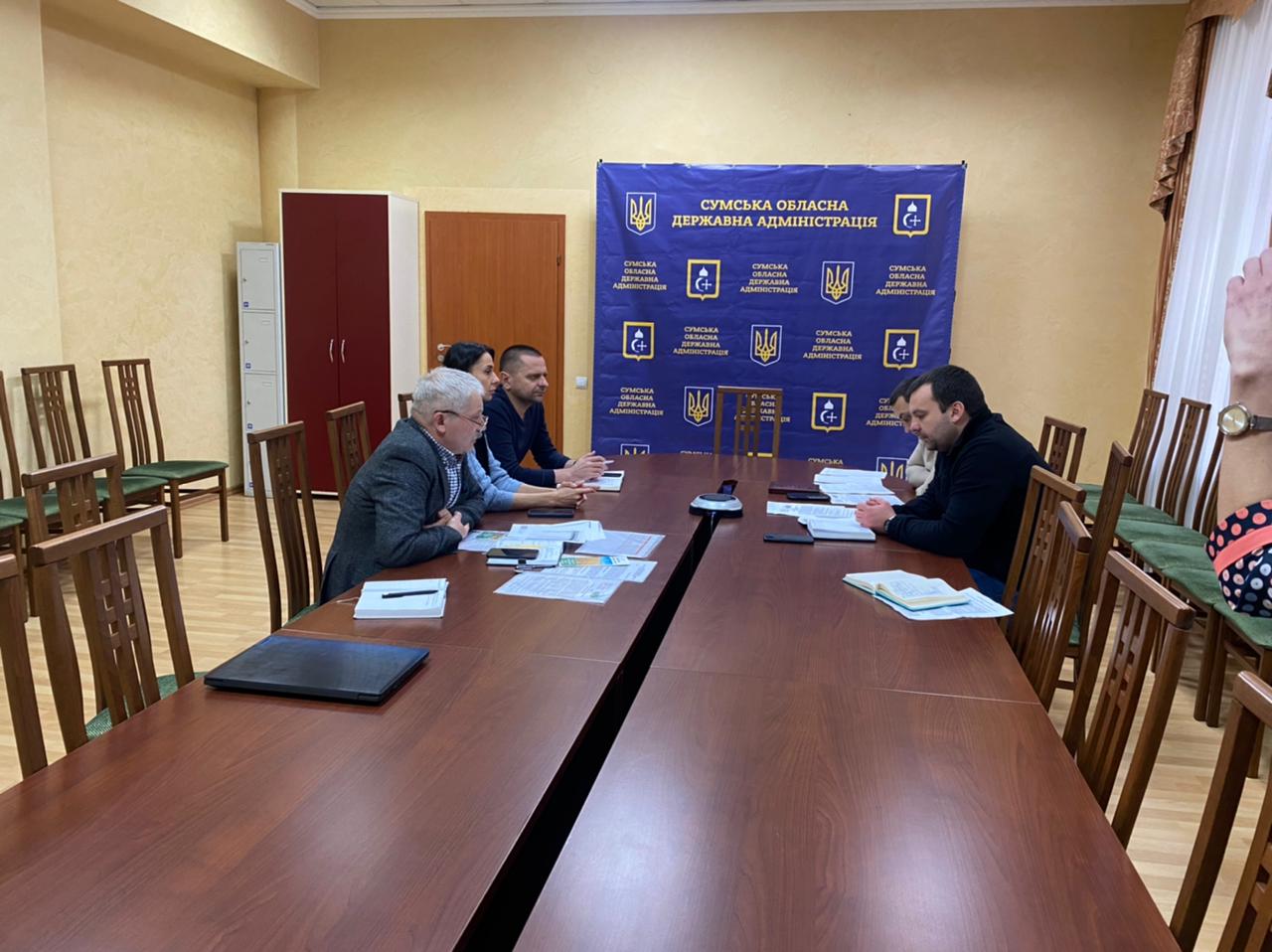
The project was discussed with the first deputy head of the Sumy Regional Military Administration, Taras Grigoryovych, who emphasized that Sumy region has one of the longest borders with Russia and therefore needs special approaches, including the provision of humanitarian aid for IDPs.
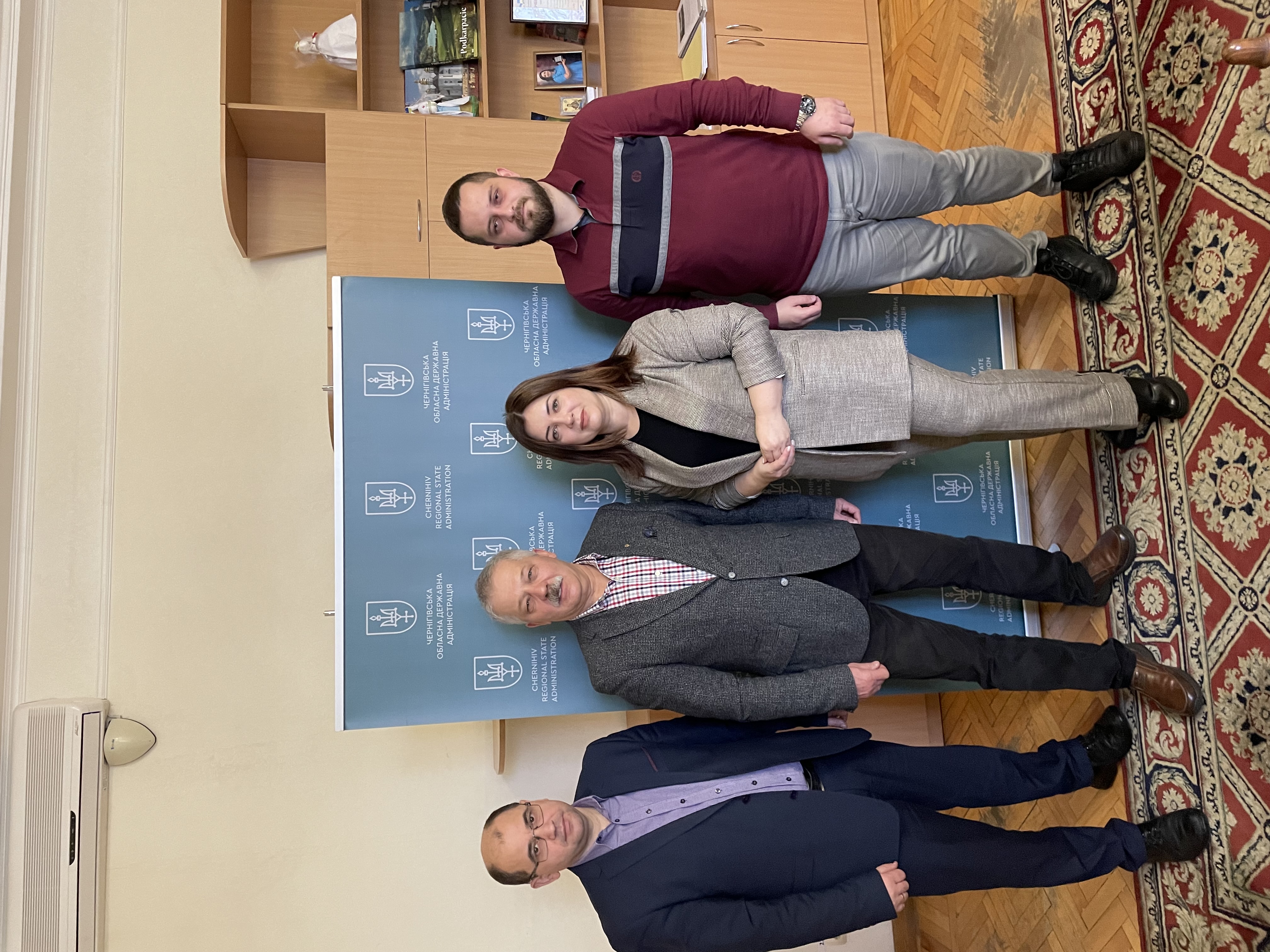
A meeting was held in Chernihiv with the first deputy head of the Chernihiv Regional Military Administration, Zhanna Volodymyrivna, who emphasized that more than 8,000 people in the region need priority help and will be grateful to the Representation of the Danish Council for Refugees in Ukraine and Lviv Agrarian Chamber, which will provide more than a thousand people with humanitarian aid (food kits and hygiene products) within the framework of the Project implementation.
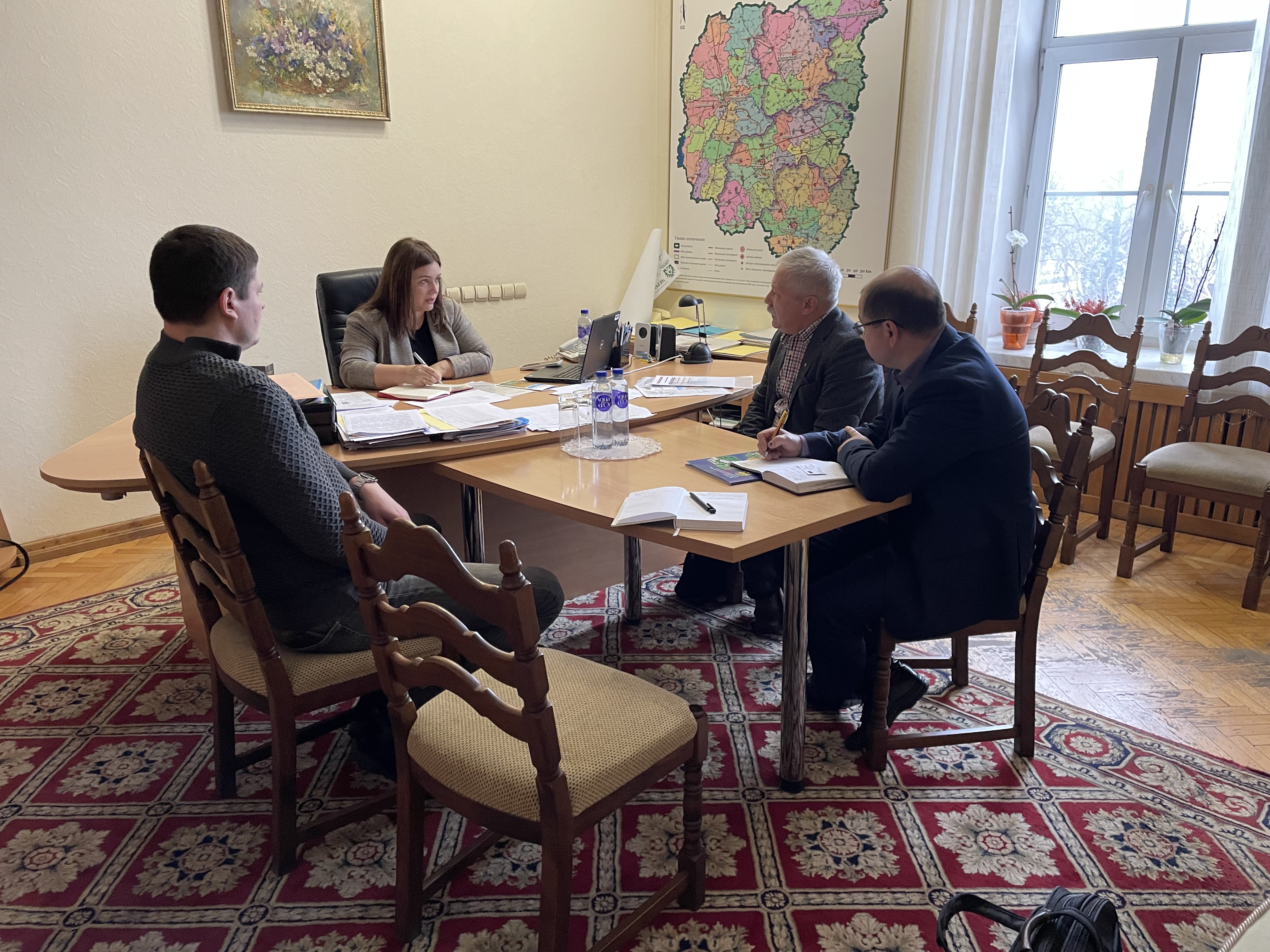
During the meetings, humanitarian aid will be provided and criteria for selecting target beneficiaries, as well as the possibility of involving local agricultural producers in the formation of product sets