
Today, May 14, the Lviv Agrarian Chamber – the main partner of the project at the invitation of the Representation of the Joint Secretariat of the Interreg NEXT Program “Poland-Ukraine 2021-2027” in the city of Lviv held a presentation of the results of its activities on the implementation of the international technical assistance project “Protection of biodiversity of the cross-border territories of Ukraine and Poland from invasive populations of borscht (Heracleum)” for all 73 communities of Lviv Oblast.
The presentation took place within the framework of the event “Presentation of grant opportunities of the European Union for the communities of Lviv Region”, which was held under the patronage of the Lviv Regional Council and the Regional Association of Local Councils “Councils of Lviv Region”.
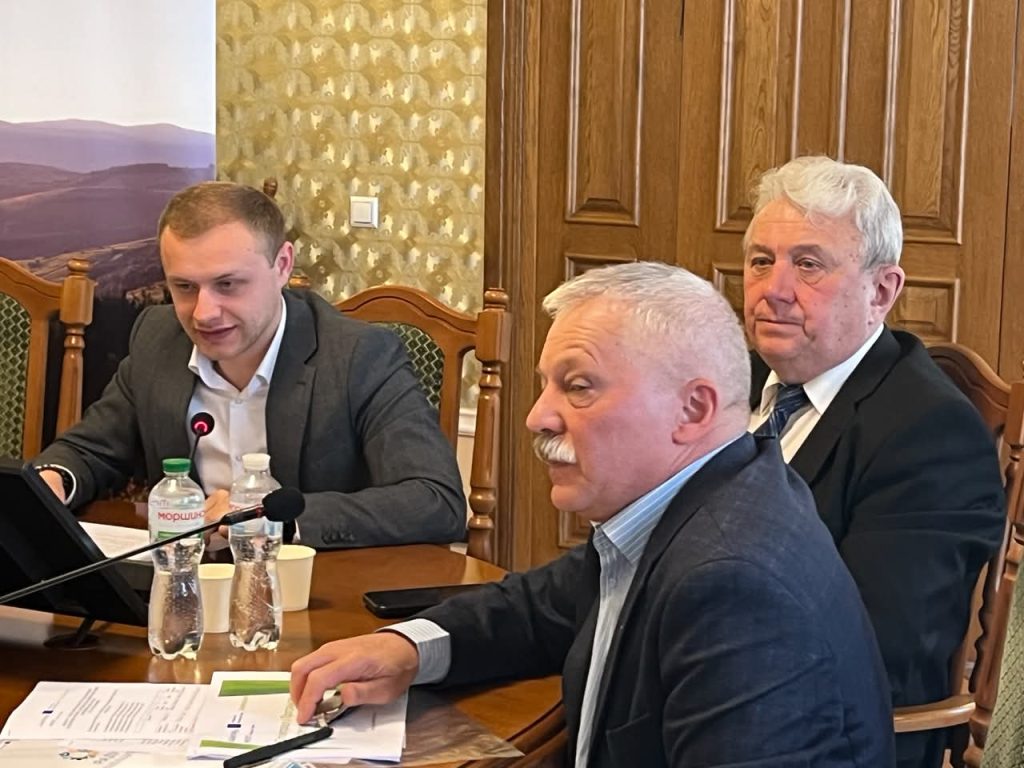
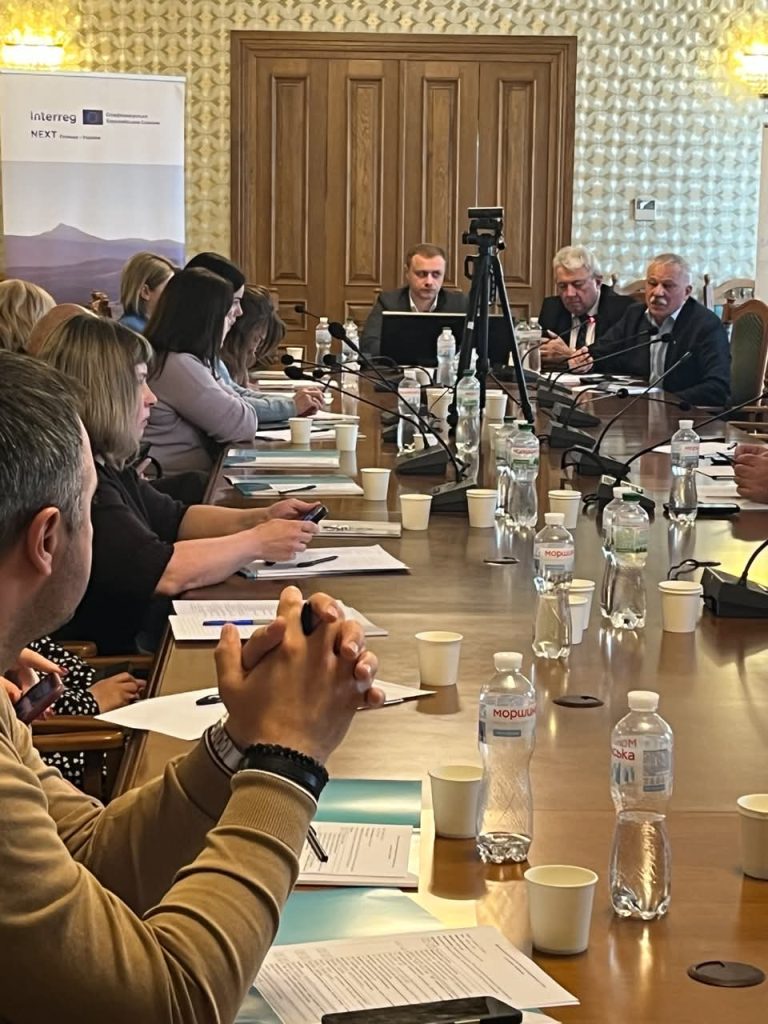
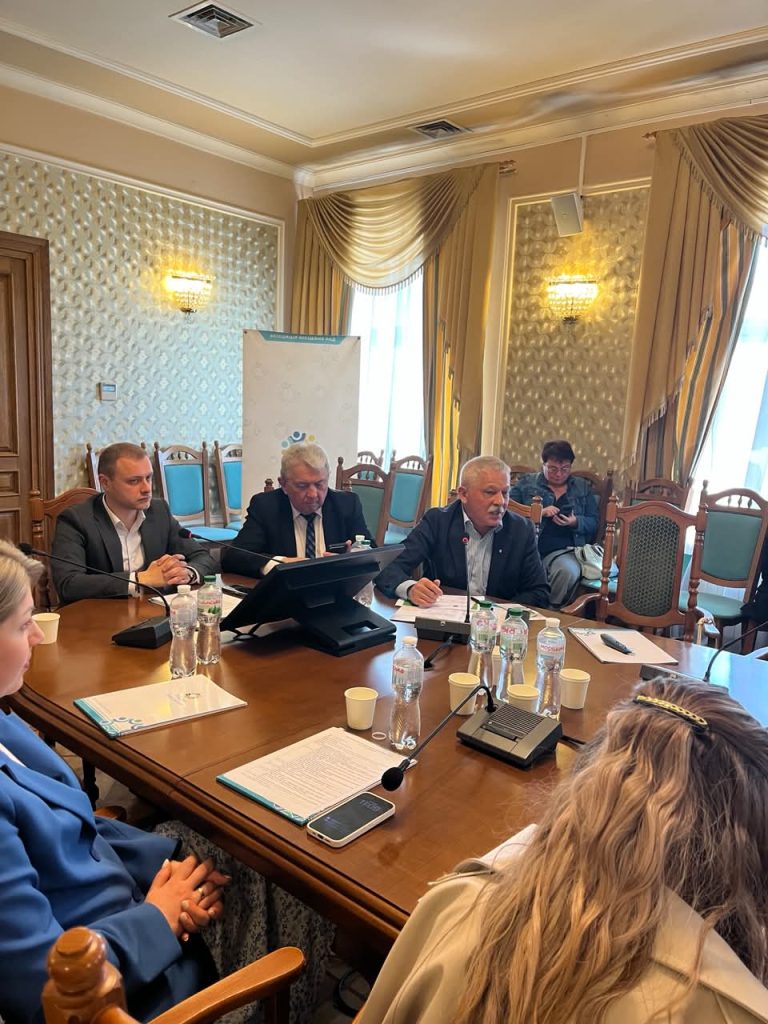
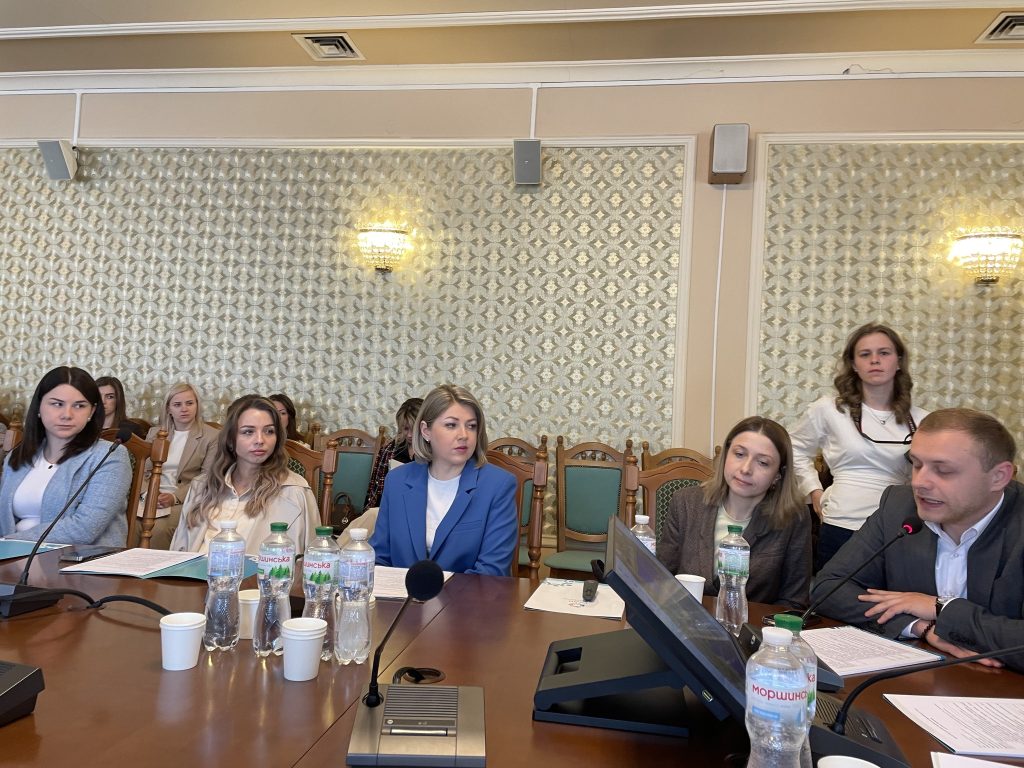
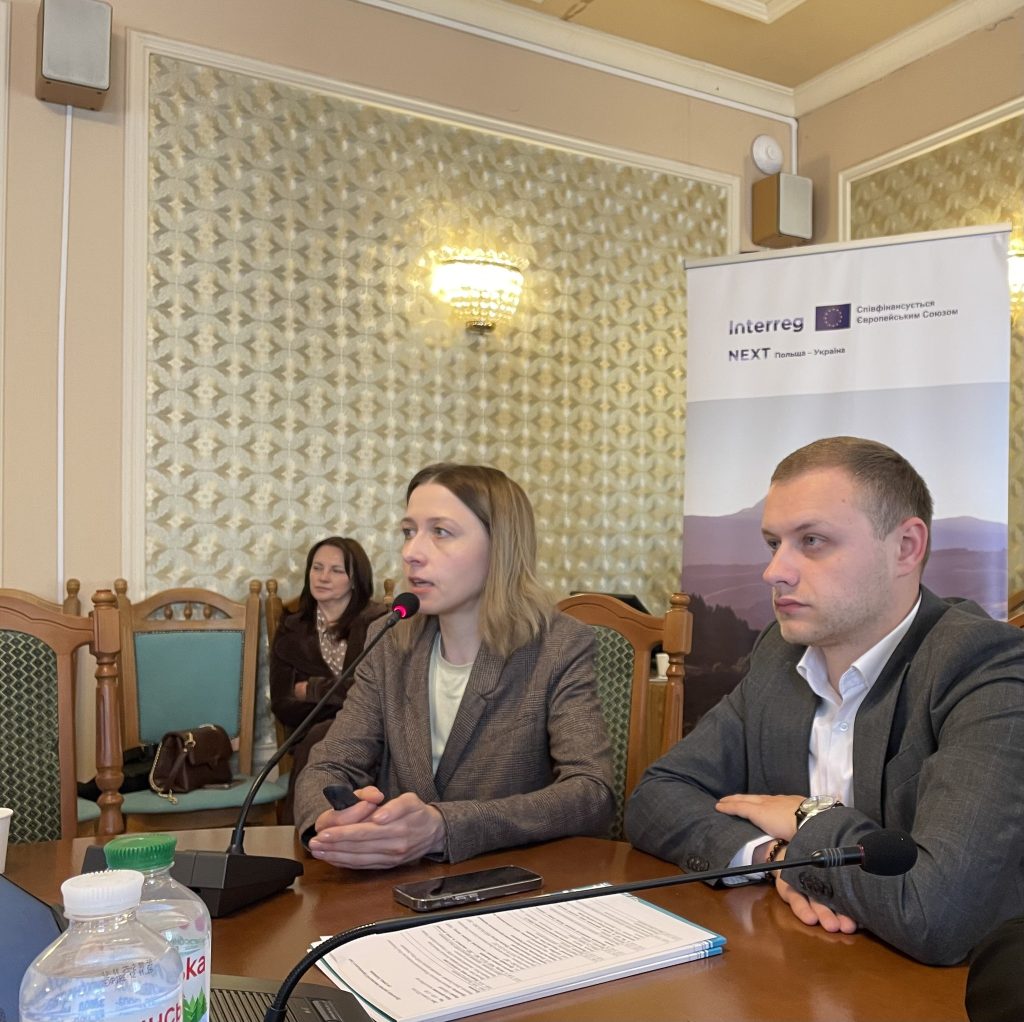
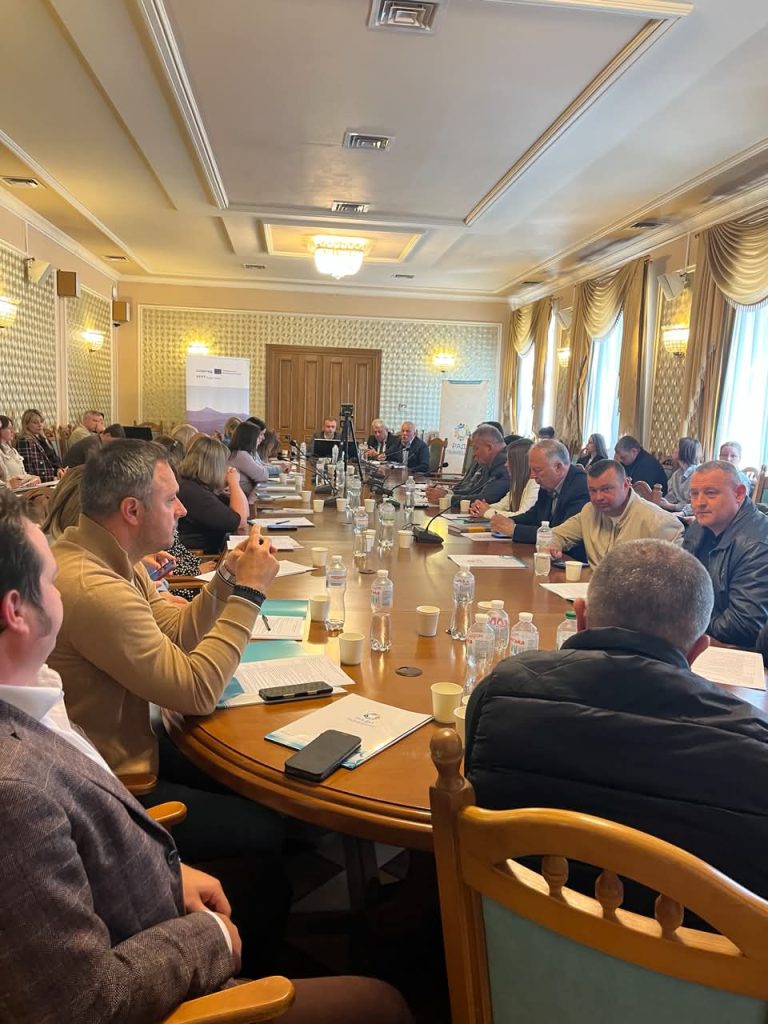
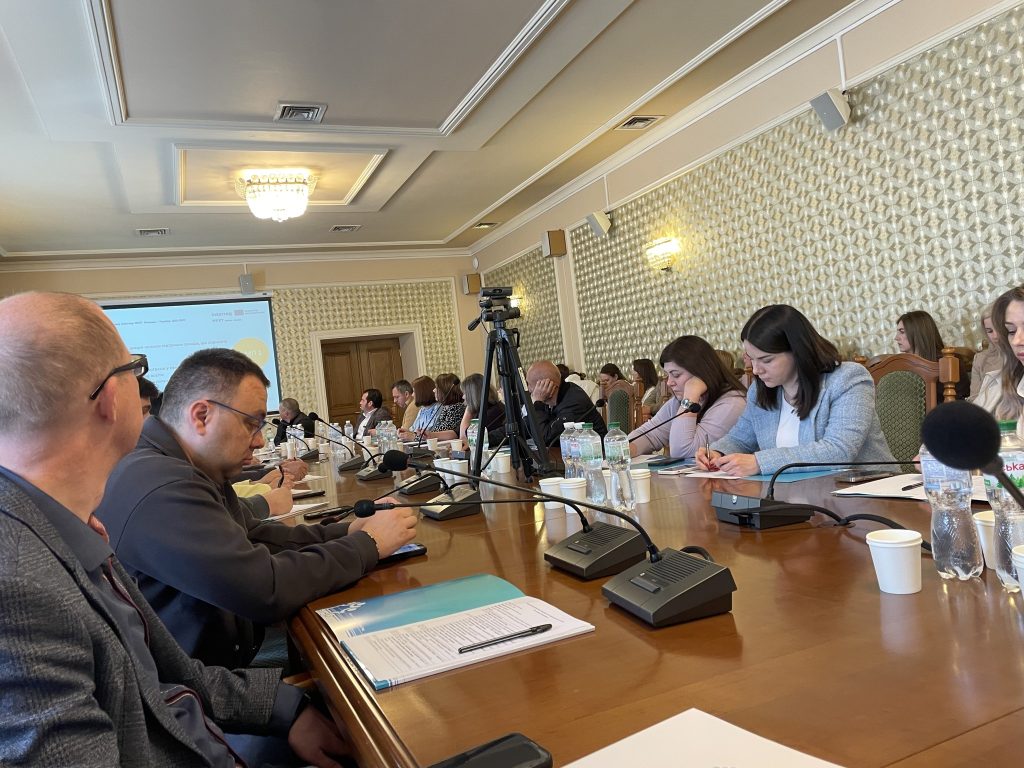
The head of the Chamber Ihor Vuytsyk shared with the participants how the very idea of the project arose, about the search for partners and the selection of territorial communities to participate in the project. Therefore, the speaker focused on actual tasks that were managed to be completed within 10 months from the beginning of active activities, namely:
– the project was presented in 9 target communities of the Carpathian region;
– a 2-day international scientific and practical conference was held in the format (offline/online) with the participation of more than 240 participants on the topic: “Practical application of methods of influence on the population of borscht in order to restore biodiversity in the cross-border territories of Ukraine and Poland.” As part of the conference, preliminary recommendations were issued, developed on the basis of existing methods of combating Sosnowski’s borscht in various landscape zones of the Polish-Ukrainian border;
– as part of the work package on improving the capacity of the target communities to protect against the spread of the invasive species – Sosnovsky’s borage, the main partner of the Project purchased for 9 communities personal protective equipment, equipment and equipment necessary to carry out work on the destruction of borage. The communities received protective suits, masks, hand-held petrol mowers, sprayers, as well as tractors, plows and road mowers.
– a special ArcGIS mobile application has been developed for collecting data on the distribution of borscht and mapping contaminated areas.
“Now practical work on the destruction of borscht will begin in the communities, since all the necessary material base for this has already been created and the plants have already reached a sufficient growth phase. The work will be carried out by communal enterprises of the communities. At the same time, scientific studies of selective methods of influencing the population of borscht will be conducted to develop scientifically based methods of influencing the population of this invasive species on the basis of genetic and biochemical studies. The research results will be the basis for the preparation of a long-term strategy for the destruction of the borscht population and the prevention of its recovery and spread,” Ihor Vuytsyk emphasized.
During the discussion, the participants of the event were actively interested in the possibilities of cooperation in order to eliminate the problem of the spread of Sosnovsky borscht in other communities that are not part of the project.
For reference:
The project “Protection of biodiversity of the cross-border territories of Ukraine and Poland from invasive populations of borscht (Heracleum)”, which is implemented within the framework of the Interreg NEXT Program “Poland-Ukraine 2021-2027”. The project is implemented by the Lviv Agrarian Chamber in partnership with S. Z. Gzhitsky Lviv National University of Veterinary Medicine and Biotechnology, Marie Curie-Sklodowska University, Lublin University of Natural Sciences and Lublin Izba Rolnicha.
Source: Lviv Agrarian Chamber
Learn more about the project 𝙕𝕂𝔸𝙕𝙕
Interreg NEXT Poland – Ukraine
#EU#funds#InterregNEXT#Interreg#CBC#Program#PL_UA#ZeroHeracleum