
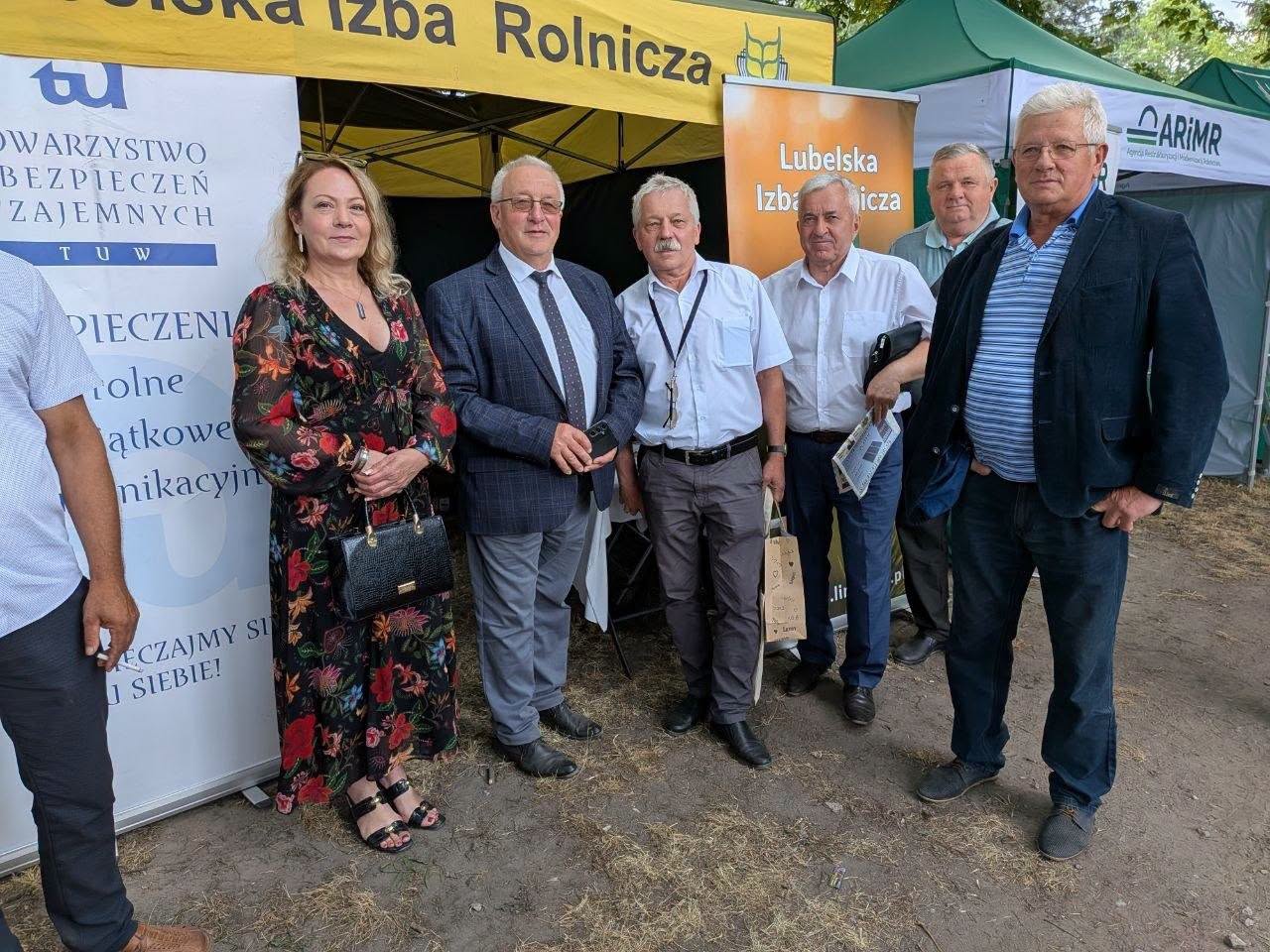
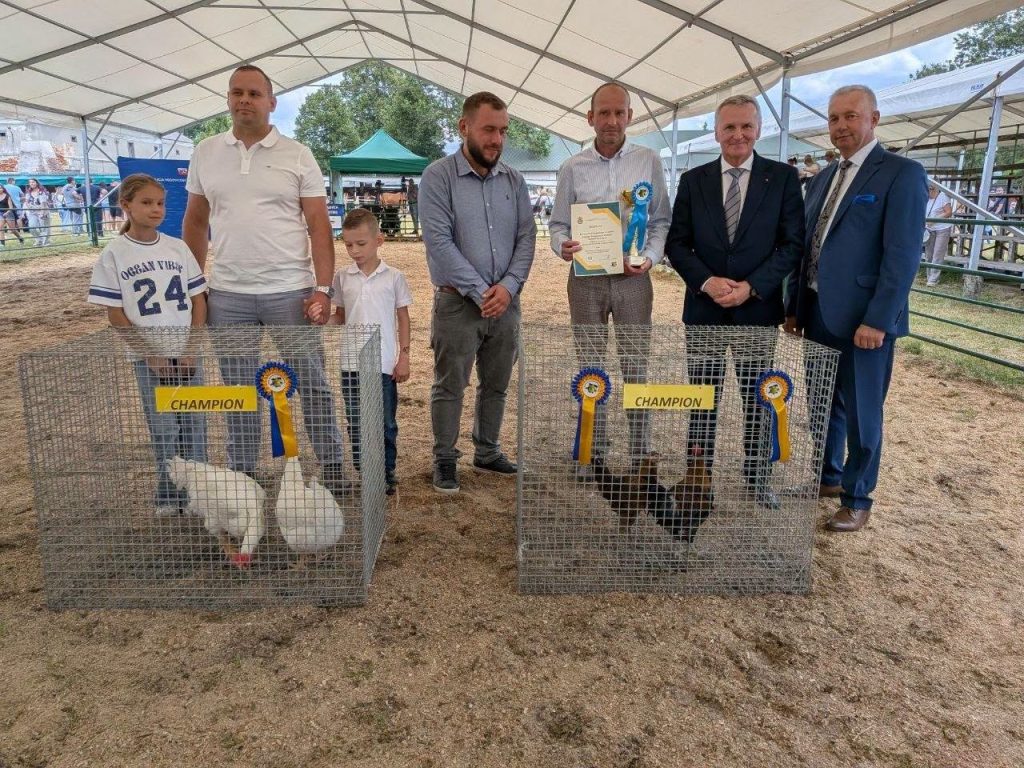
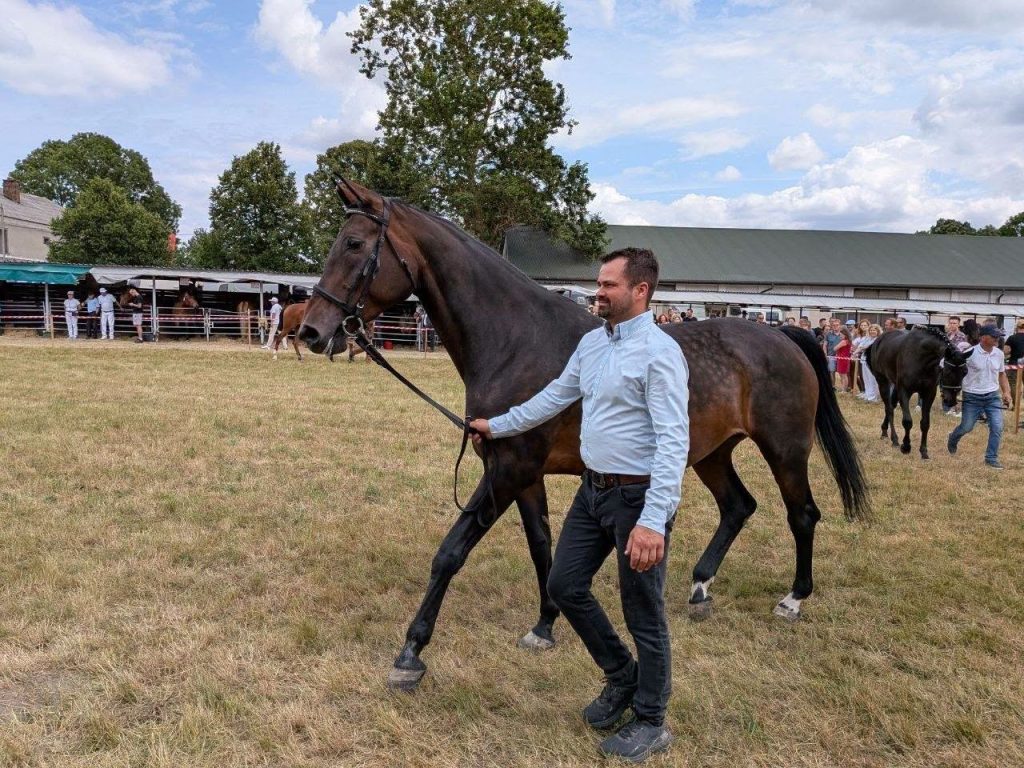
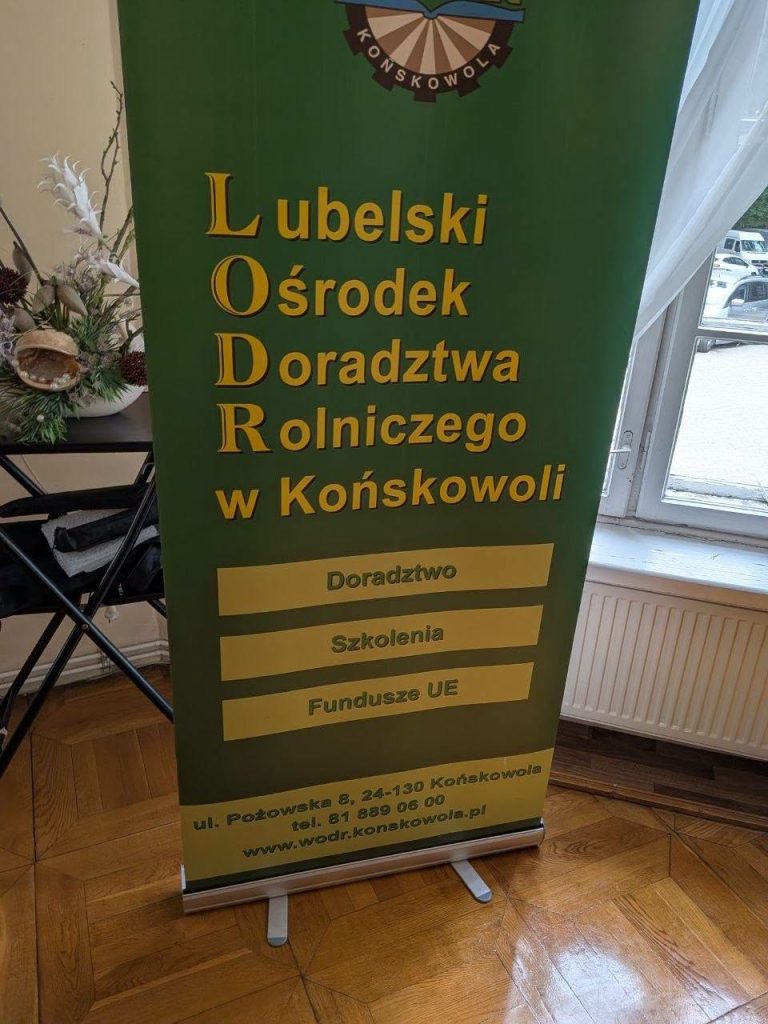
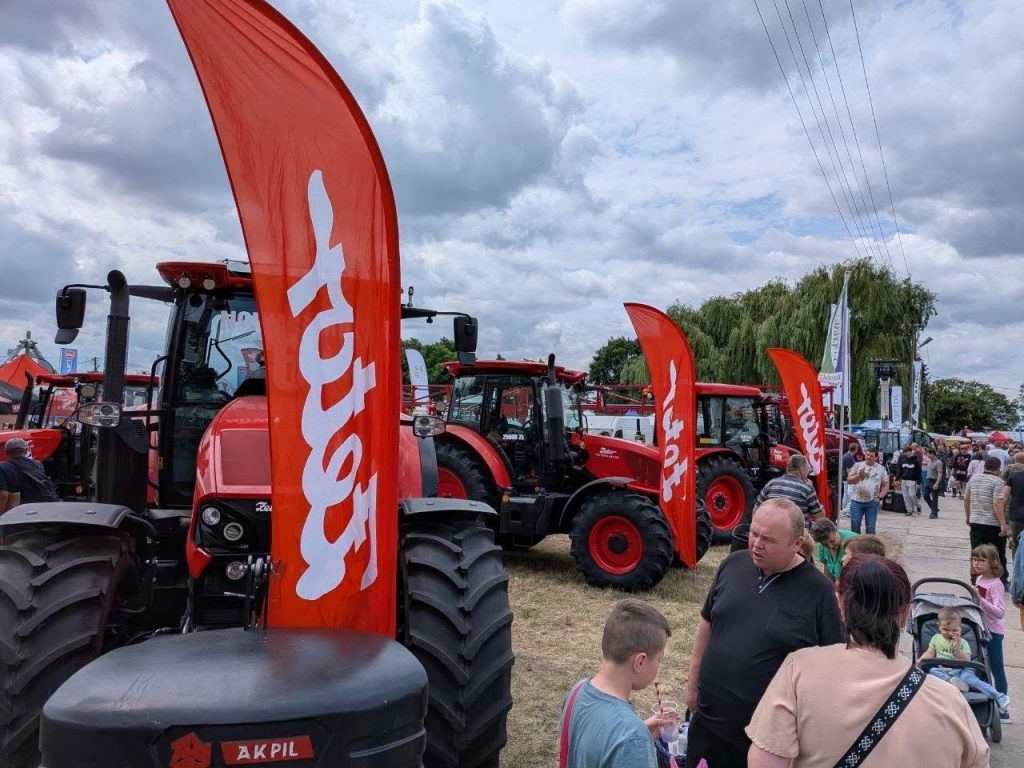
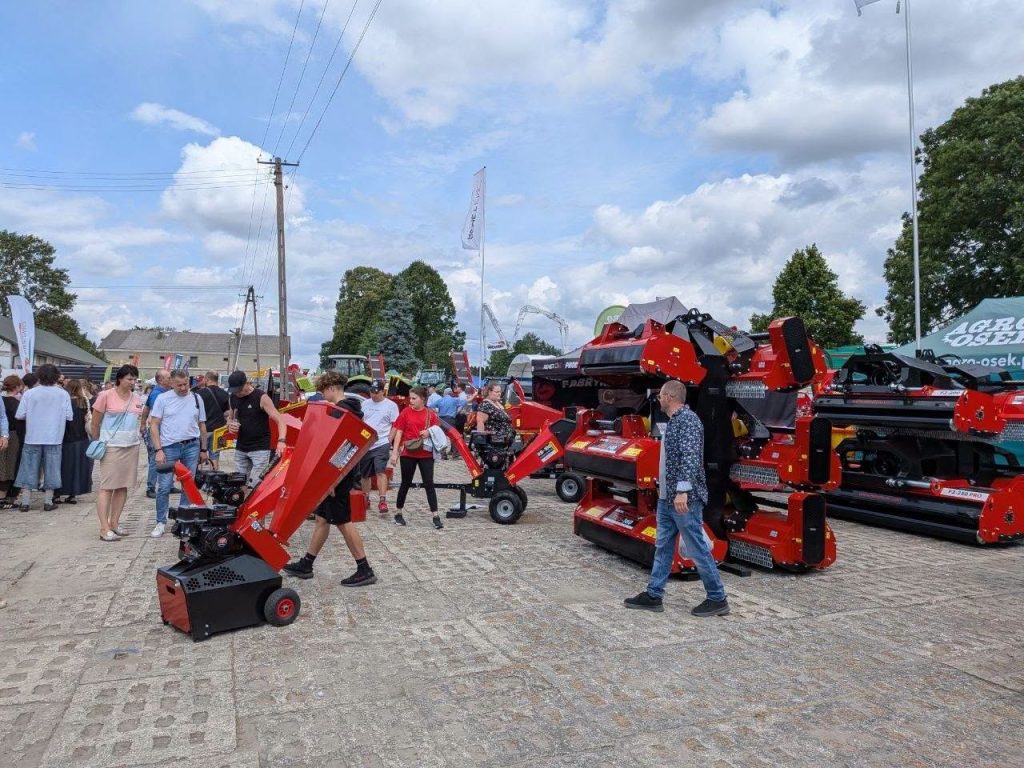
Last Sunday, 5 July, a delegation from the Lviv Agrarian Chamber and the S.Z. Gżycki visited the 38th exhibition of breeding animals, agricultural machinery and equipment at the Lublin Agricultural Advisory Centre (branch in the town of Sitno).
This annual large-scale fair for Polish farmers, organised by the advisory service, demonstrates the farmers’ active role in defending their interests. This applies not only to large farms, but also to farmers working on just a few hectares of land. After all, even such farms are important components of Poland’s agricultural system, which, thanks to state support (aid can amount to 300 euros per hectare) and its inclusion in the SAP – the European Union’s integrated system aimed at subsidising agriculture, stabilising markets and developing rural areas – successfully competes with farmers across Europe.
According to Gustav Jendrejko, head of the Lublin Chamber of Agriculture, Poland’s accession to the European Union is helping farmers to implement the ‘Farm to Fork’ strategy. At the same time, support under the CAP (the programme provides for funding of the country’s agricultural sector amounting to 80 billion euros over seven years) requires the implementation of requirements relating to environmental protection, biodiversity and climate action. This fair took place at a time when farmers, including those in the horticultural sector, are acutely feeling the impact of the drought-like weather that has gripped many European countries, including Ukraine.
Climate change, particularly dry spells in summer, as emphasised by Piotr Kurancz, a representative of the advisory service in Zamość, are having a negative impact on horticultural yields, such as apples, which Poland traditionally exports in large quantities to European countries. That is why, at such exhibitions, farmers consult one another and share their experiences of overcoming such situations, whilst drawing the attention of government bodies to the problem.
Incidentally, the exhibition was also attended by Oleg Beizik, Vice-President of the Lviv Agrarian Chamber, farmers from the Lviv region: Taras Martyniak, head of the ‘Etalon-M’ farming enterprise; Vasyl Hulyaygrodskyi, owner of the ‘Shchedryi Urozhay’ agricultural firm (with 26 years’ experience in hop-growing); and its manager, Olga Keskin.
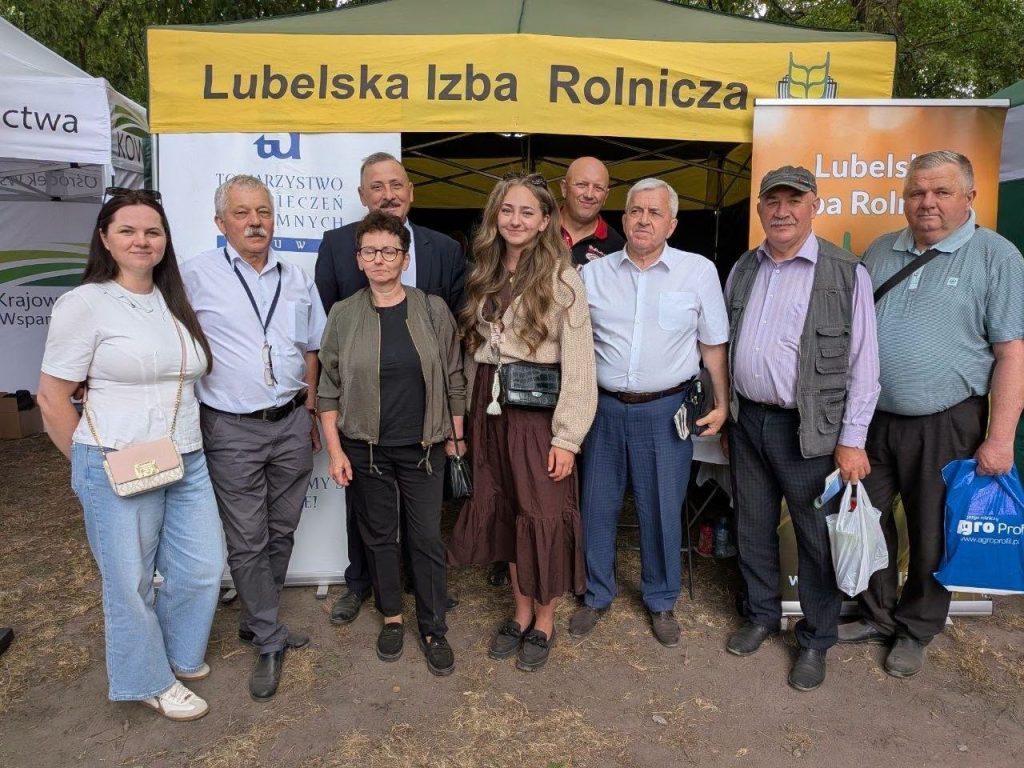
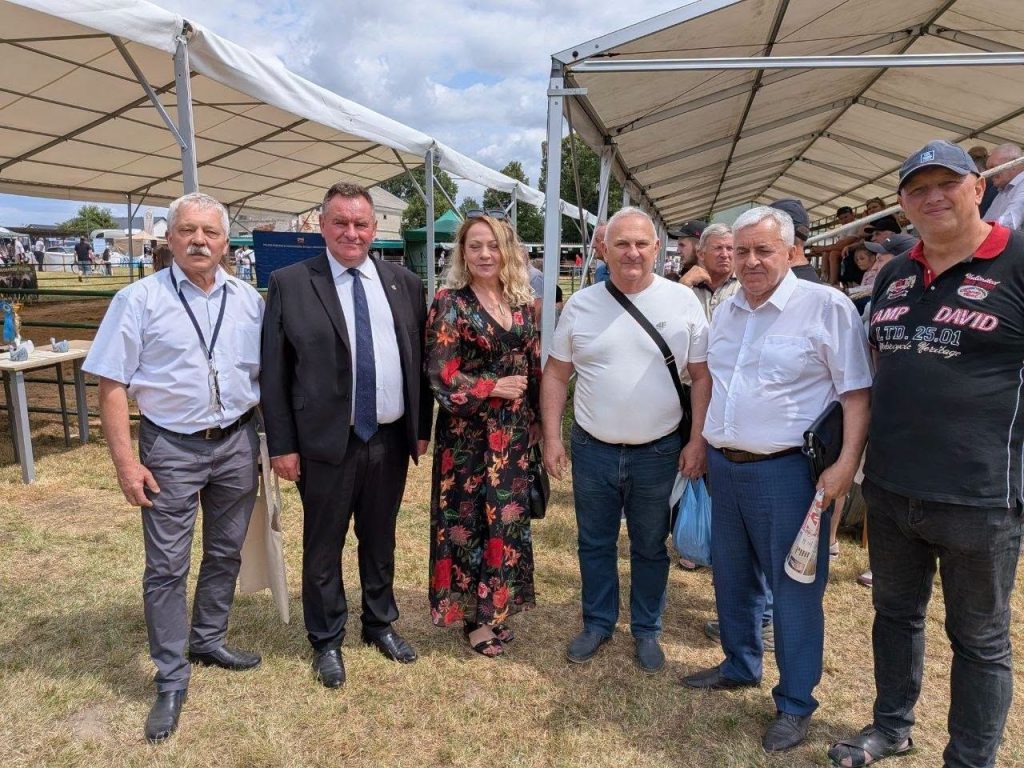
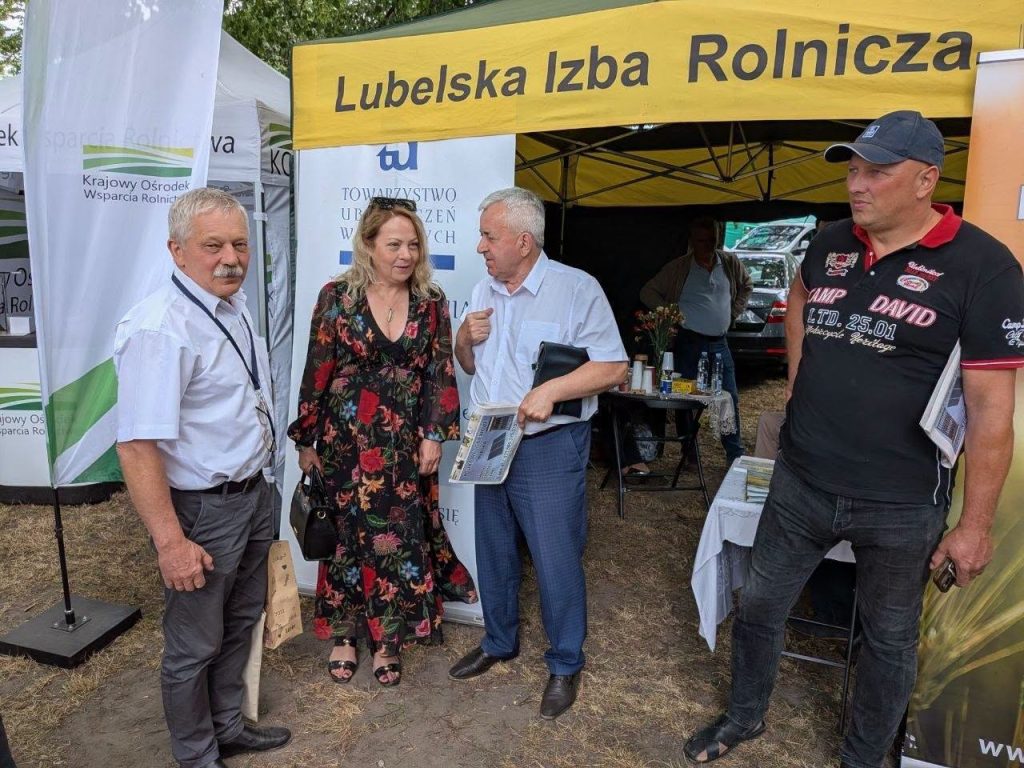
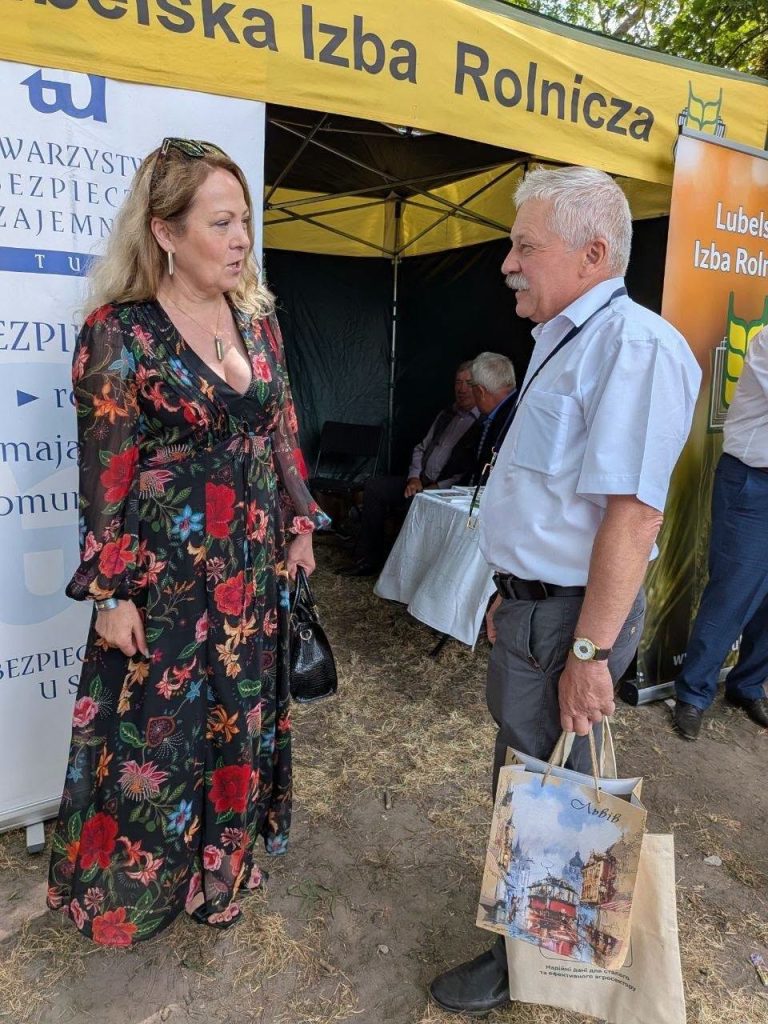
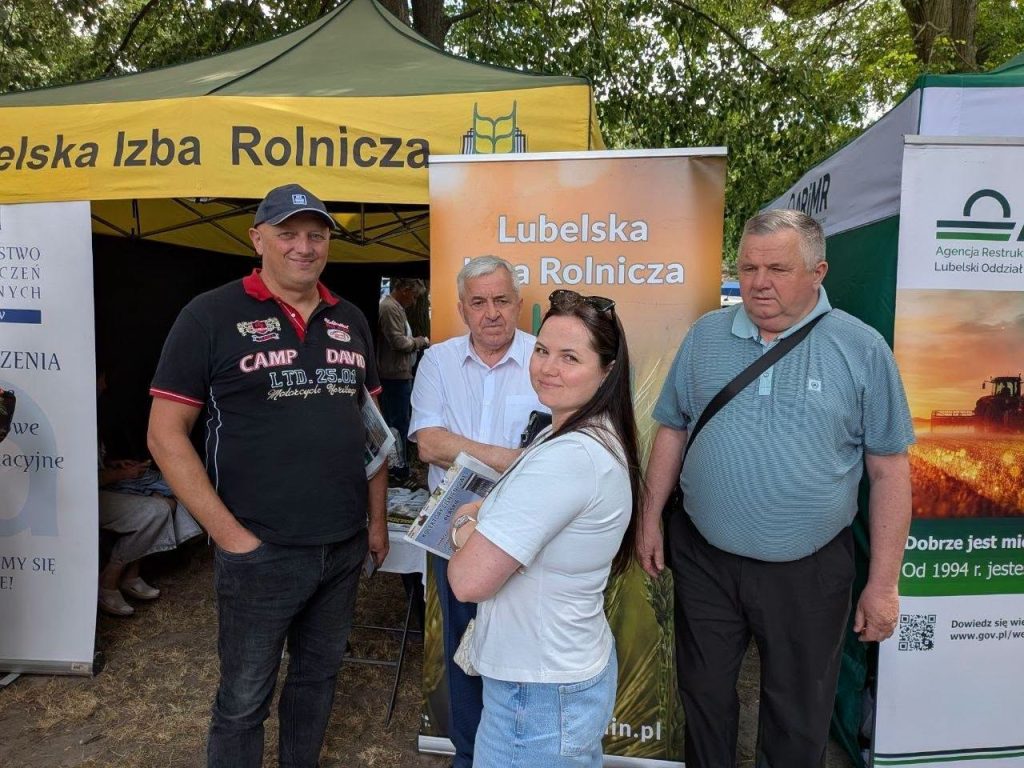
It is our Polish partners who can be described as ambassadors for the project, which is being implemented by the Lviv Agrarian Chamber (headed by Ihor Vuytsyk) in collaboration with the S.Z. Gżycki. The project focuses on protecting the biodiversity of cross-border territories in Ukraine and Poland from invasive populations of hogweed (Heracleum).
As Ihor Vuytsyk explained, nine communities in Lviv are receiving assistance from the European Union in the form of equipment and resources to combat hogweed. The most challenging situation regarding this plant, which poses a threat to human life and health, is in the Skhidnytsia community.
The cross-border Interreg Ukraine-Poland project aims to secure a grant of 1,676,000 euros. Local communities and the regional budget are providing 10 per cent co-funding. The programme includes the communities of Koziv, Skole, Slavska, Horyn, Staryi Sambir, Strilkiv, Turka, Khyriv and Skhidnytsia.
Incidentally, thanks to its participation in the project, Lviv Oblast plans to purchase a robot designed to eradicate Sosnowski’s hogweed.
As part of the project, regular meetings are held at the University between its rector, Professor Ivan Parubchak, and the lead project manager on the Ukrainian side – the head of the Lviv Agrarian Chamber, Ihor Vuytsyk, and his team.
As noted by Pavlo Muzyka, President of the Lviv Agrarian Chamber and a professor at the University, researchers from the university, together with colleagues from the University of Life Sciences in Lublin and the Maria Skłodowska-Curie University, are studying the hogweed, its structure and biochemical composition, in order to combat its spread using methods other than physical eradication alone.
At the same time, Pavlo Muzyka advises Ukrainian agricultural officials to take note of the success of Poland’s agricultural market structure. Tens of thousands of Polish farmers are employed in this sector, working efficiently on 5–10 hectares of land, with the market alone dictating the volumes of each crop they grow. The state looks after small-scale farmers, who create local jobs, supply the market with high-quality produce and profitably export it abroad.
Incidentally, Marta Gawron, a representative of the Lublin Voivodeship, was elected to the board of the Lublin Chamber of Agriculture three years ago. She noted that she values the farmers’ trust and will continue to work with dignity and wisdom for the sake of the rural community, coexistence, respect for hard work and the long-awaited stability of the agricultural sector.
It is precisely this kind of stable support that Ukrainian farmers need. Then the land will yield a bountiful harvest, and the granaries will be full.
Source: Lviv National University of Veterinary Medicine and Biotechnology