
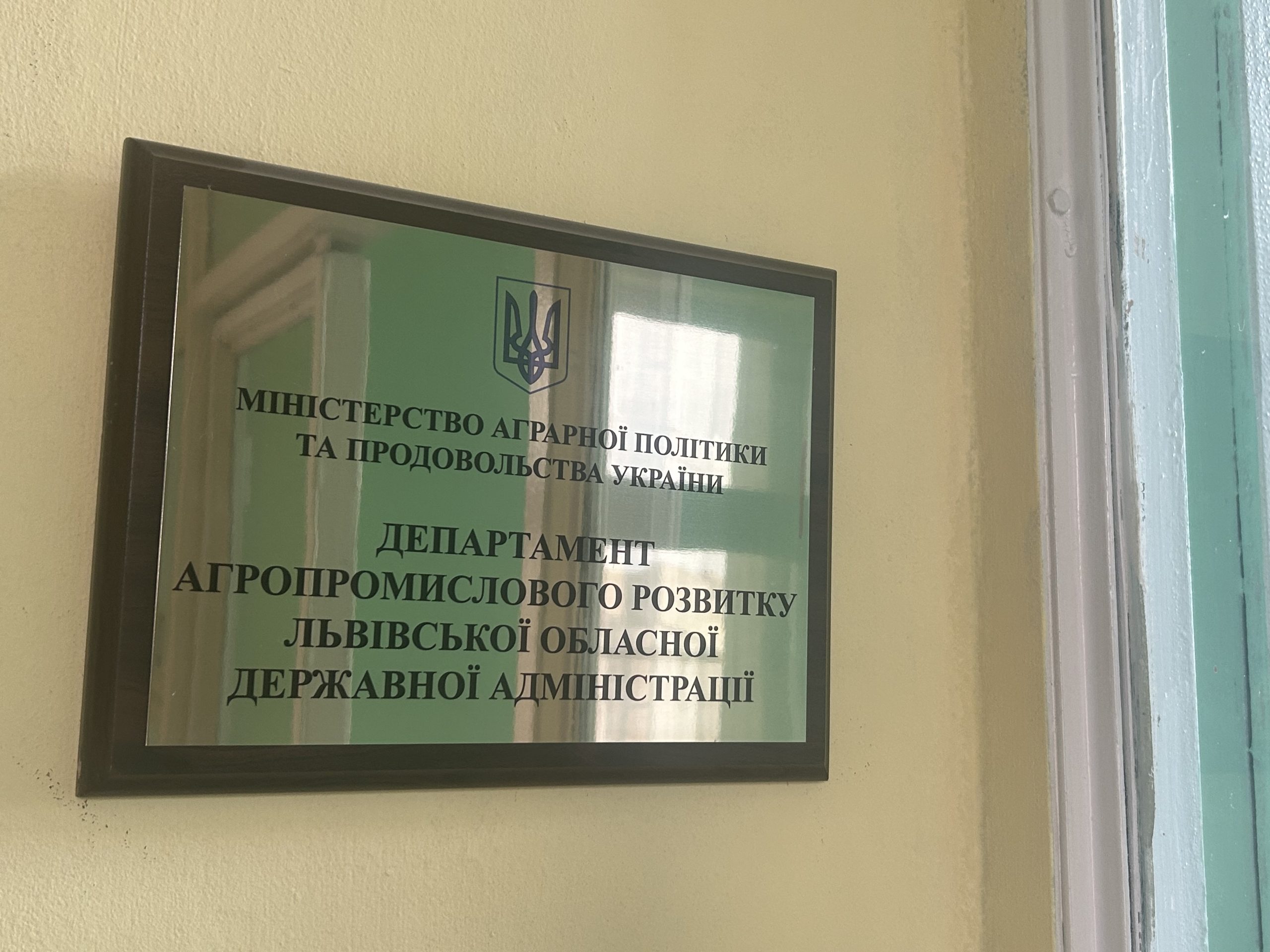
The cooperation between the Lviv Agrarian Chamber and the Department of Agro-Industrial Development of the Lviv Regional State Administration has a long and constructive history spanning more than 20 years.
For the Lviv Agrarian Chamber, this cooperation is vital, as the Chamber works directly with farmers, communities and producers and acts as a voice for their interests. The Department, on the other hand, formulates and implements regional policy in the field of agro-industrial development, oversees support programmes, analyses the state of the sector and coordinates a range of processes that affect agriculture in the Lviv region.
Consequently, effective support for farmers is impossible without a constant exchange of information between those working with producers on the ground and those responsible for programmes, analysis and management decisions. This is precisely where the Lviv Agrarian Chamber acts as a vital link between farmers and the department. One of the areas directly linked to the Chamber’s work is economic analysis and strategic planning. The department monitors the state of the agricultural sector, analyses problem areas, prepares proposals for the development of the agro-industrial complex and works on support programmes. Such information is valuable to the Chamber of Agriculture, as it provides a better understanding of the issues that most concern producers today and which needs should be raised at regional level.
The issue of communication with farmers deserves special mention. The department’s director, Lyudmyla Honcharenko, emphasised that figures and reports alone are not enough: the real situation is best understood through communication with people working in local communities and on farms. This is precisely the area in which the Lviv Agrarian Chamber can strengthen its cooperation, as it has the capacity to collect requests from farmers, pass them on to the relevant authorities and help producers obtain the information they need.
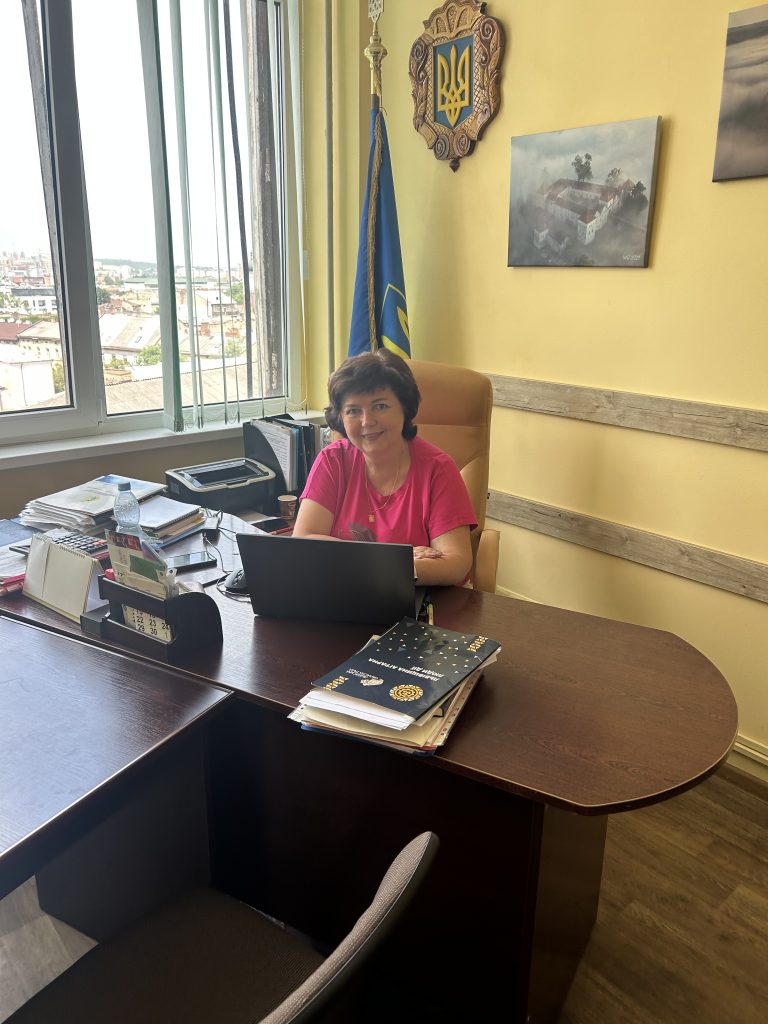
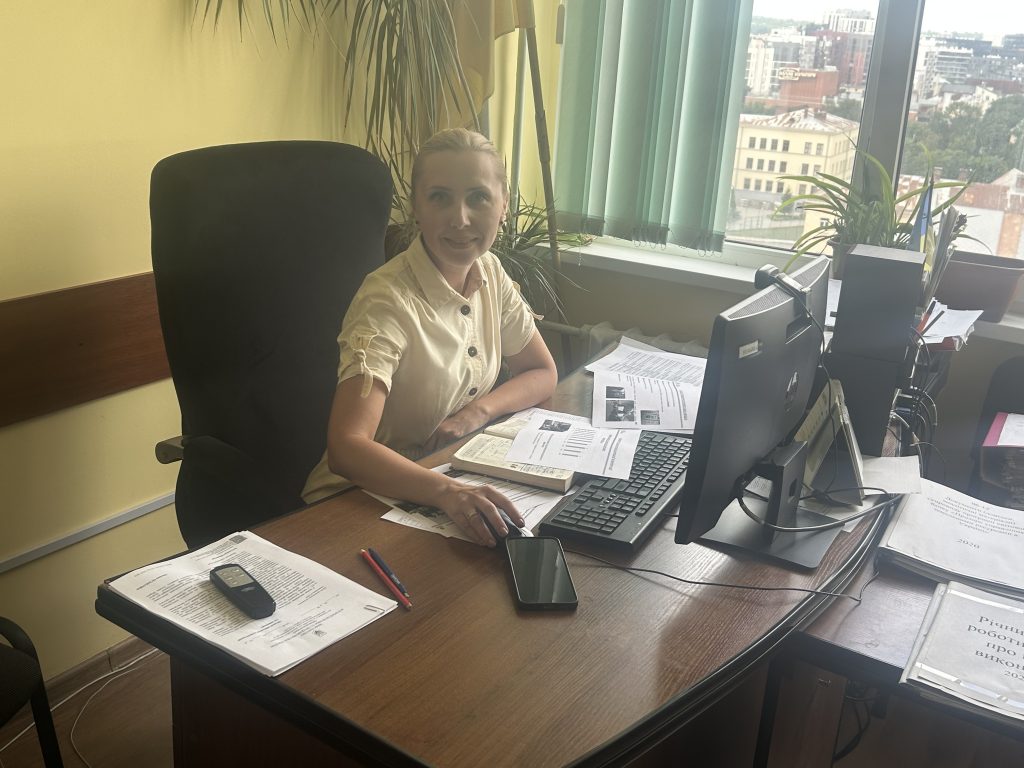
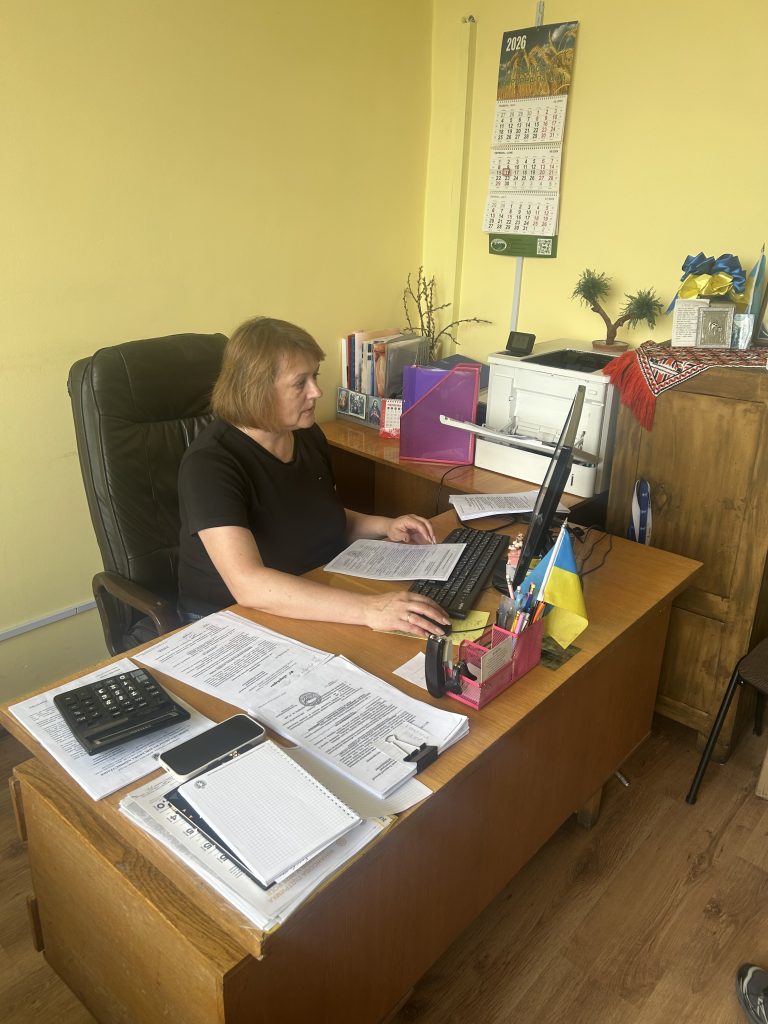
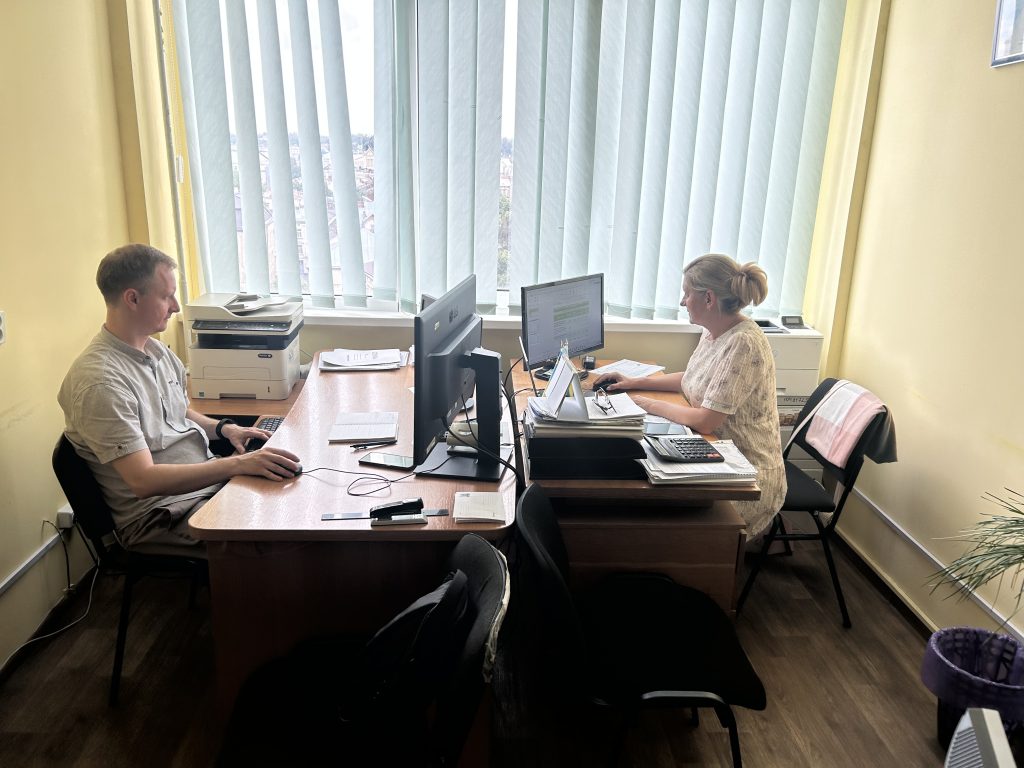
Key areas of the department’s work include the agricultural market, food supplies, crop production, livestock farming and agricultural infrastructure. This involves monitoring prices of staple foods, analysing crop areas and purchase prices for grain, milk, meat and vegetables, as well as liaising with local communities. For the Chamber of Agriculture, these issues are also of practical importance, as they directly affect producers, their profitability, product sales and the planning of their business activities.
A separate area of cooperation involves informing farmers about support programmes, grant opportunities, training events and advisory services. The department disseminates information about webinars, particularly those on preparing business plans for participation in grant programmes. The Lviv Agrarian Chamber, for its part, helps to bring these opportunities to the attention of farmers and producers, who often lack the time or resources to keep track of all relevant programmes on their own.
Support for local producers is also a key aspect of this collaboration. Taking part in exhibitions, fairs, conferences and seminars gives farmers the opportunity to showcase their products, find partners, discover new solutions and exchange experiences. This is a priority for the Chamber of Agriculture, as such events help to promote local producers and create additional development opportunities for them.
A topical issue at present is support for veterans and their families who wish to start or develop a business. The agricultural sector can offer them the chance to set up their own business, and cooperation between the department and the Lviv Chamber of Agriculture can help such people better navigate the available programmes, advice and practical steps.
The financial aspect is no less important. The Department, in collaboration with the Agricultural Chamber, advises farmers on completing the necessary paperwork, whilst specialists help them sort out all organisational matters. For producers, this part often seems complicated, so the role of the Chamber of Agriculture is to explain the rationale behind the programmes to farmers, help them understand the requirements and direct them to the relevant sources of information.
From 2025, the Lviv Agrarian Chamber and the Department, in collaboration with nine local authorities in the Carpathian region, are implementing a major international project: ‘Protecting the biodiversity of cross-border territories in Ukraine and Poland from invasive populations of hogweed: “ZeroHeracleum”’. There are some interesting developments in the field of climate-resilient protein crops for foothill and mountain agriculture.
Overall, there are many areas of common work between the Lviv Agrarian Chamber and the Department of Agro-Industrial Development. The Department formulates policy, programmes and the analytical framework, whilst the Agrarian Chamber can be closer to producers and communities, helping to convey their needs, requests and proposals. Such cooperation is vital to ensure that support for the agricultural sector does not remain merely on paper, but is understandable and accessible to those who work every day in the fields, on farms, in processing and in local households. It is precisely through ongoing dialogue between institutions, communities and producers that the agricultural sector in the Lviv region can be developed more effectively.
Authors: Roman Prydyba, Yurii Polovyi