
77 social welfare institutions in the Ternopil region are active participants in the UN World Food Programme’s Institutional Feeding Programme.
Over the first nine months of this year, they have received over 340 tonnes of long-life food products, which have been used to prepare hot meals for people facing difficult life circumstances and in need of assistance. In particular, these include internally displaced persons, people with disabilities, the sick and the lonely. Food is supplied to these institutions by the Lviv Agrarian Chamber, which acts as an implementing partner of the UN World Food Programme. The Chamber not only supplies food but also monitors its storage and use, and assesses the effectiveness and usefulness of the Programme.
On 16 October, David Kravchenko, Monitoring and Protection Officer at the Lviv Agrarian Chamber, and regional coordinator Denis Vetrov visited eight such institutions. Representatives of the LAC on a monitoring mission visited the ‘House of Mercy’ Charitable Organisation, Caritas, the Social Services Centre of the Buchach City Council, Buchach City Hospital, the ‘Social Services Centre of the Zolotopotitska Settlement Council’, the Religious Community of the Evangelical Christian Church in Monastyryska, Monastyryska Town Hospital, and the Social Services Centre of Monastyryska Town Council.
The aim of the monitoring mission was to assess the effectiveness of the Institutional Food Programme and its impact on the standard of living of those receiving assistance. The monitoring group actively engaged with beneficiaries, inquired about the quality of food in the facilities, and provided information about the UN World Food Programme’s Institutional Food Programme.
During discussions with the heads of the facilities, Davyd Kravchenko emphasised the importance of adhering to food storage regulations, ensuring transparent accounting and reporting on their use, and the need to display information posters showing contact details and measures to protect against sexual exploitation and abuse.
Iryna Zavinska, Acting Director of the ‘House of Mercy’ Charitable Organisation, explained that thanks to its participation in the Programme, the institution provides hot meals to 145 people, 65 of whom are internally displaced persons. Participation in the Programme is of vital importance to the institution, as it is funded by charitable donations, and the savings are channelled towards the purchase of other food items, such as meat, milk, vegetables, etc. This enables a significant improvement in the quality of food for those in need.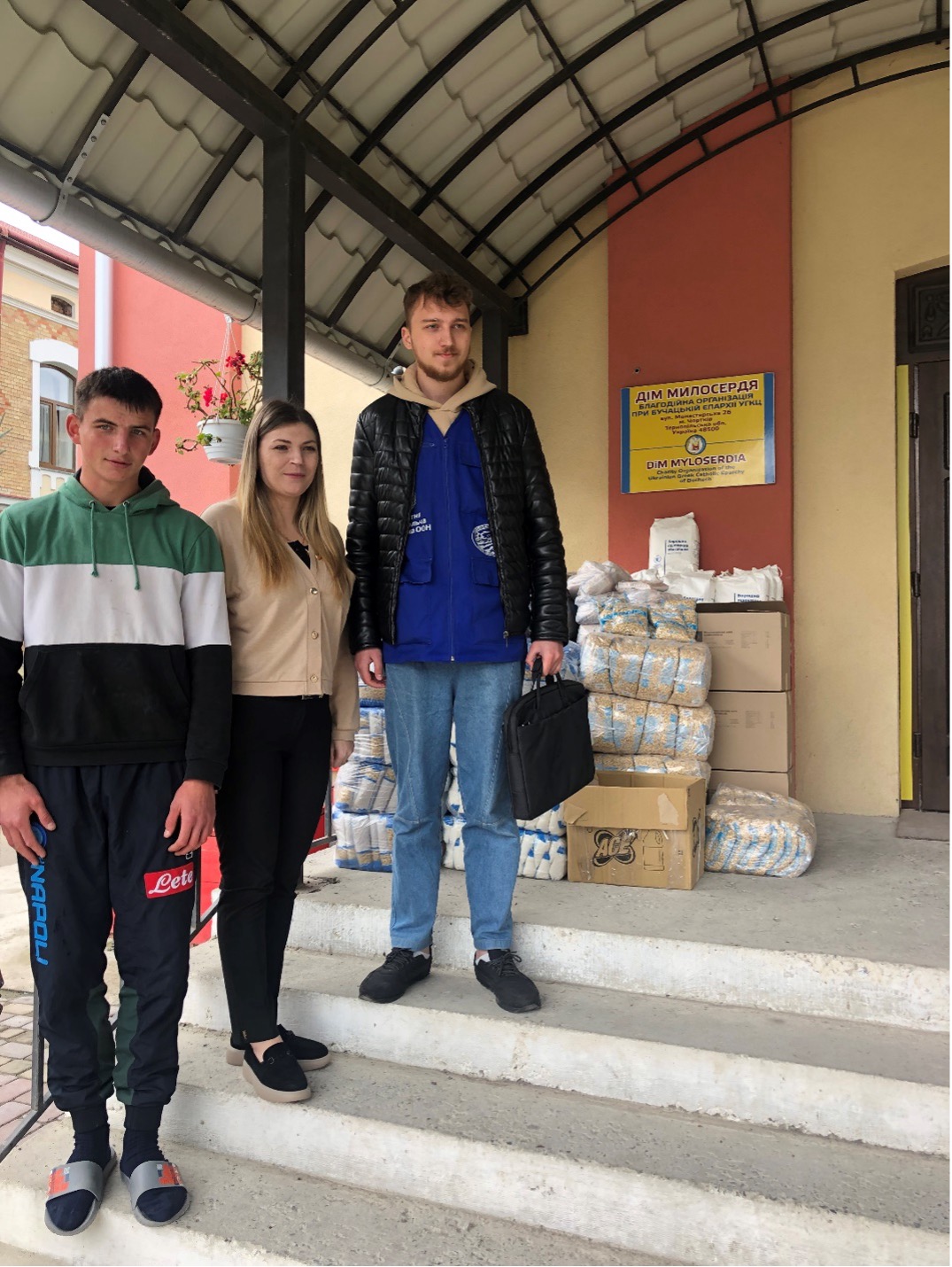
Vitaliy Kostyanets, Head of the Municipal Non-Profit Enterprise “Buchach City Hospital”, shared his experience of participating in the UNWFP Institutional Food Programme, emphasising that as of October this year, the hospital provides hot meals to 220 people, 10 of whom are IDPs. Mr Vitaliy explained that the funds saved thanks to the food provided by the UN WFP are used by the hospital to meet other patient needs, including the purchase of other food items, medicines and improvements to patients’ living conditions.
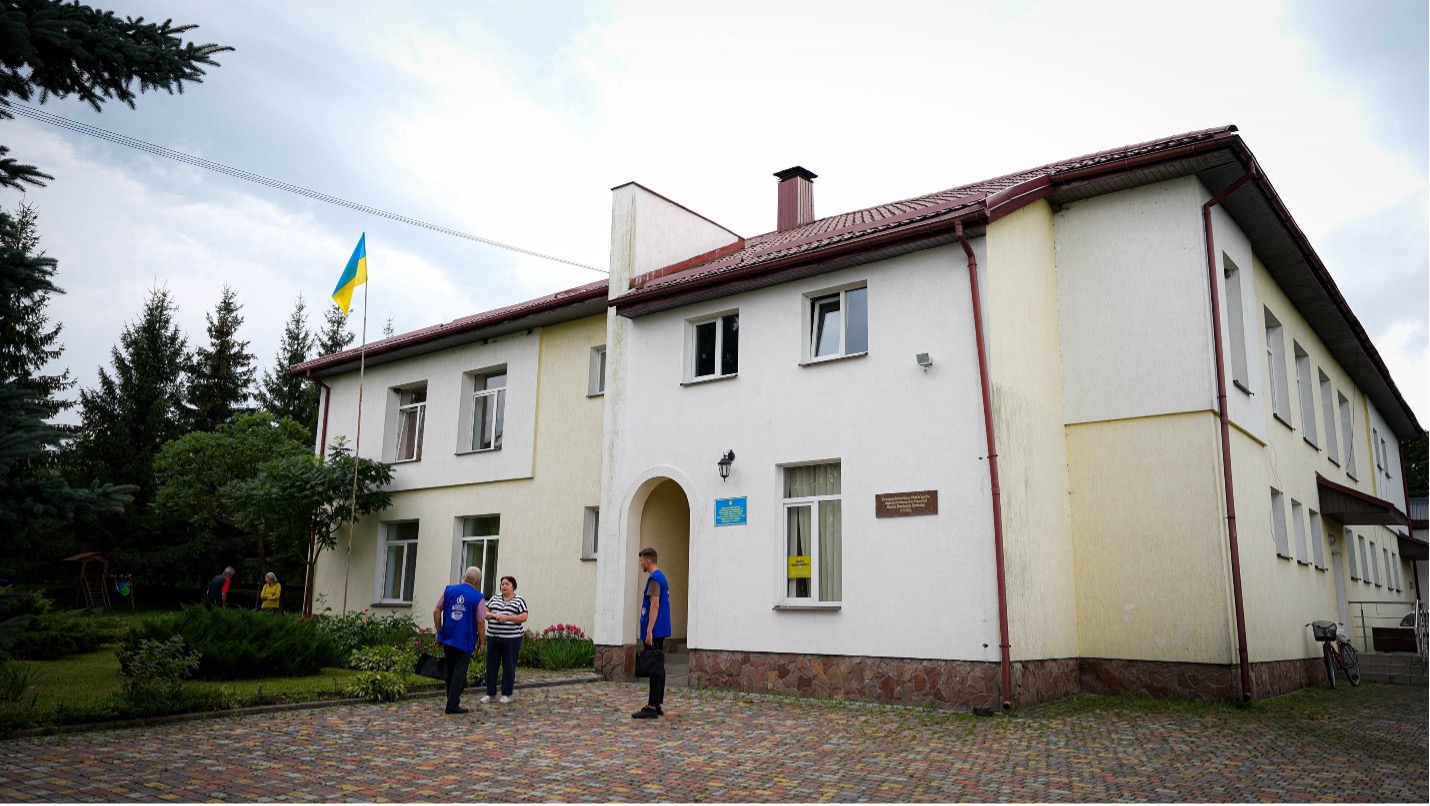
Members of the monitoring group inspected the storage area and kitchen, reviewed the menu and spoke with staff. As the visit took place at lunchtime, the monitoring group had the opportunity to see the meals served to patients, including fragrant buns made from flour provided by the LAP under the UN WFP Institutional Food Programme. It should be noted that the kitchen staff highlighted the very high quality of all the products received.
Incidentally, all the institutions visited adhere to the rules for the storage, use and accounting of the products received. All products are used for their intended purpose. When speaking with people who directly receive assistance, representatives of the monitoring mission received only positive feedback regarding the quality, taste and variety of the meals prepared in the institutions.
Source: Lviv Agrarian Chamber