
The spread of Sosnowski’s hogweed is not only an environmental challenge but also a threat to the safety of local communities.
On 7 May 2026, the implementation of an international project funded by the InterReg Next 2021–2027 Poland–Ukraine cross-border cooperation programme (#InterregNEXT #Interreg #PL_UA #PLUA), entered the phase of active practical implementation. A working group of researchers from the S.Z. Gzhytskyi (Project Partner 1) undertook a large-scale field trip to the Staryi Sambir and Strilky territorial communities, launching field research and an awareness-raising campaign.
The expedition team comprised the Dean of the Faculty of Agricultural Technologies and Environmental Protection, Doctor of Agricultural Sciences and Professor Ivan Shuvar, as well as Candidates of Agricultural Sciences and Associate Professors Hanna Korpita, Volodymyr Balkovskyi and Bohdan Hulko, all Candidates of Agricultural Sciences and Associate Professors.
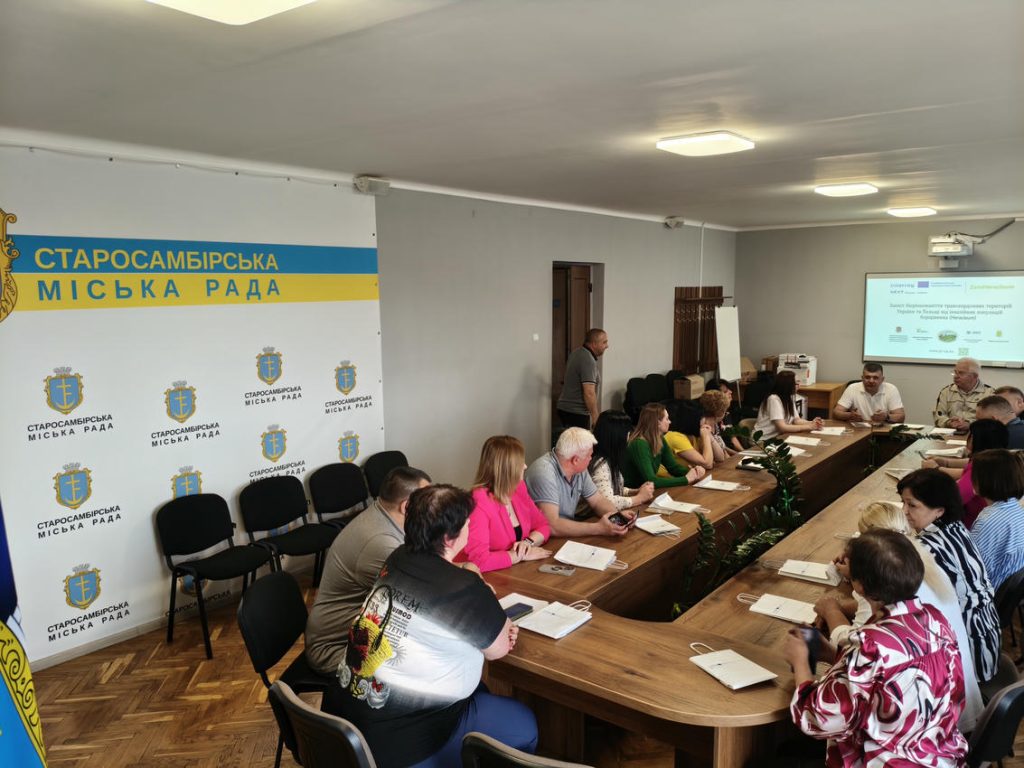
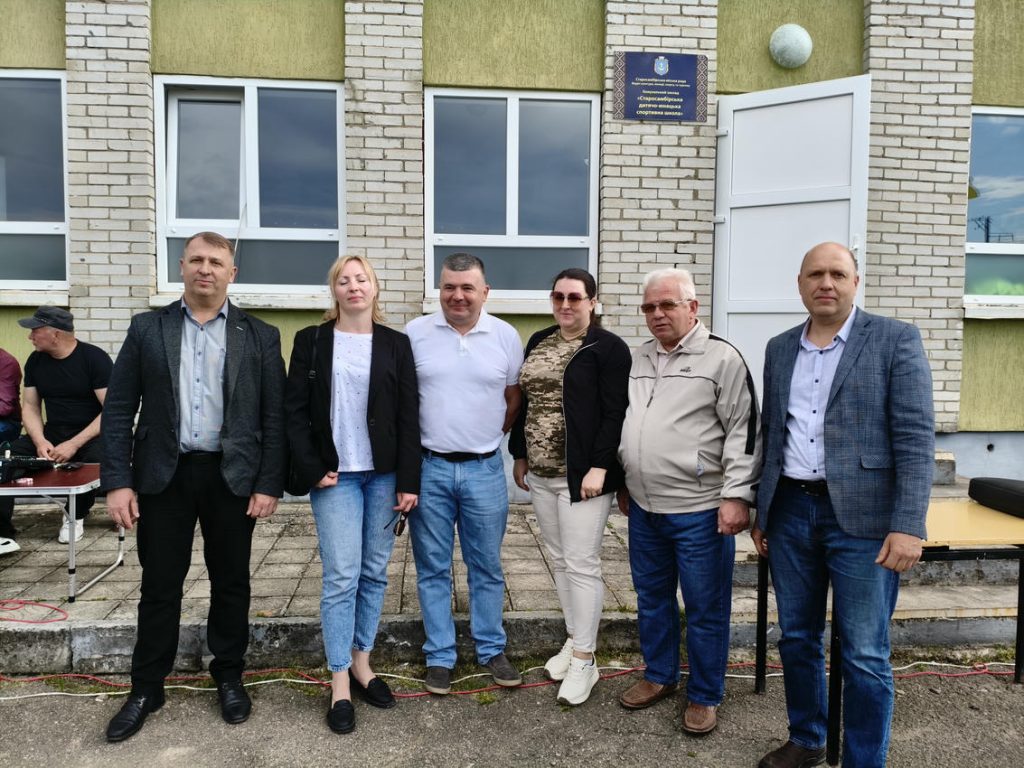
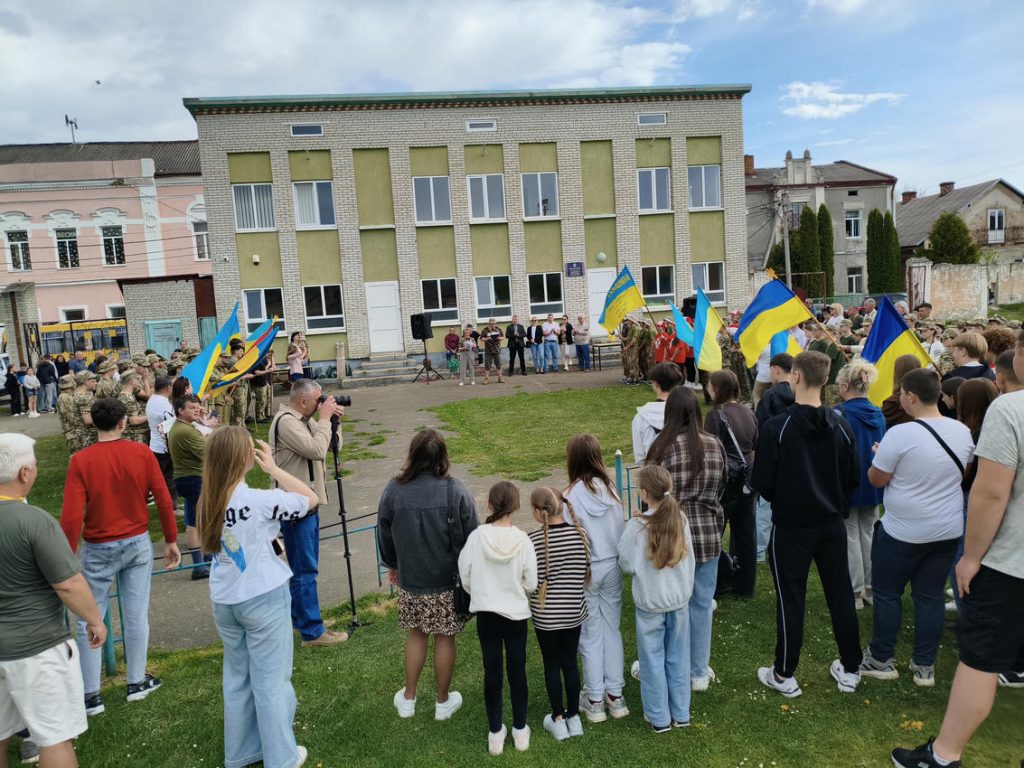
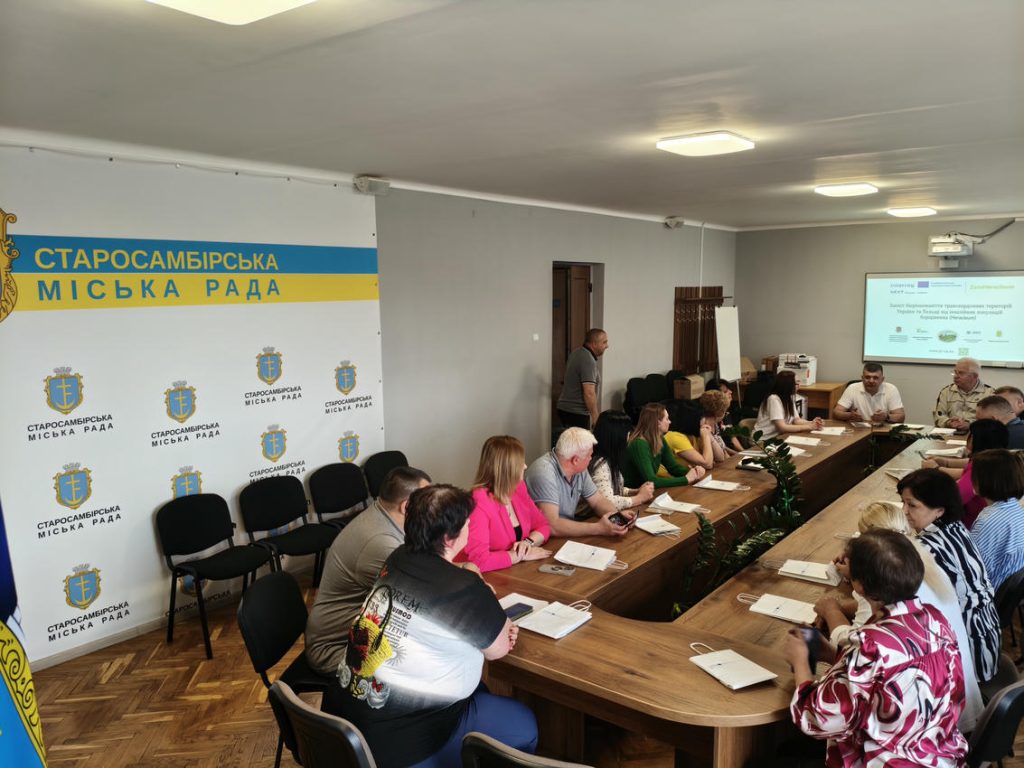
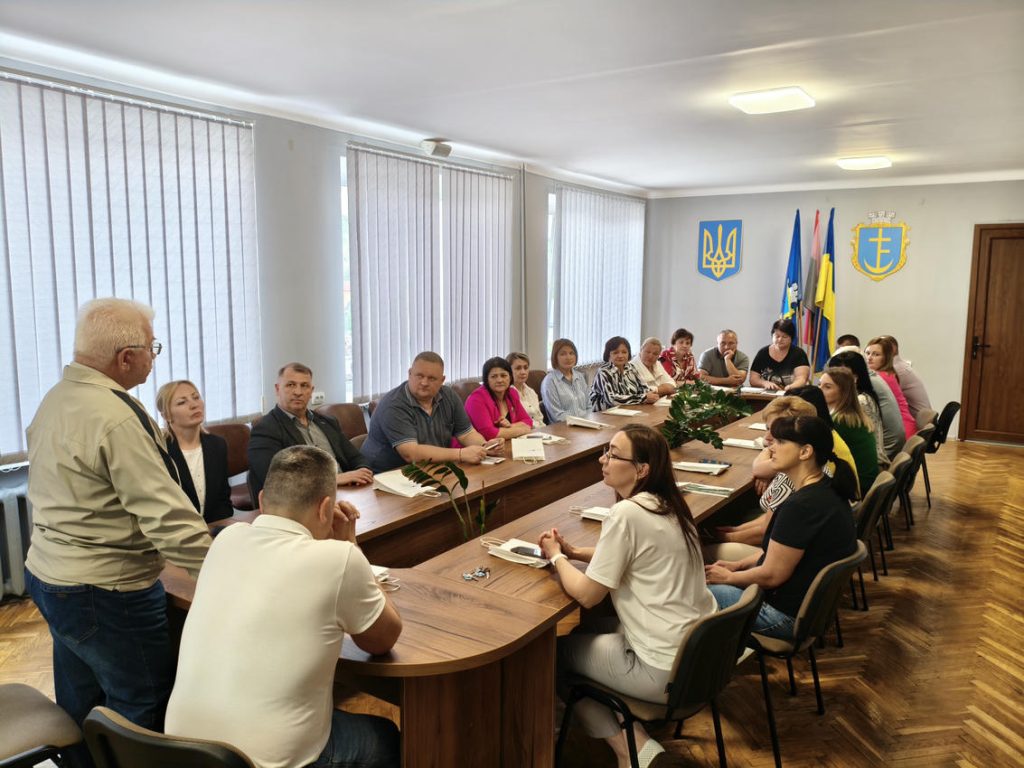
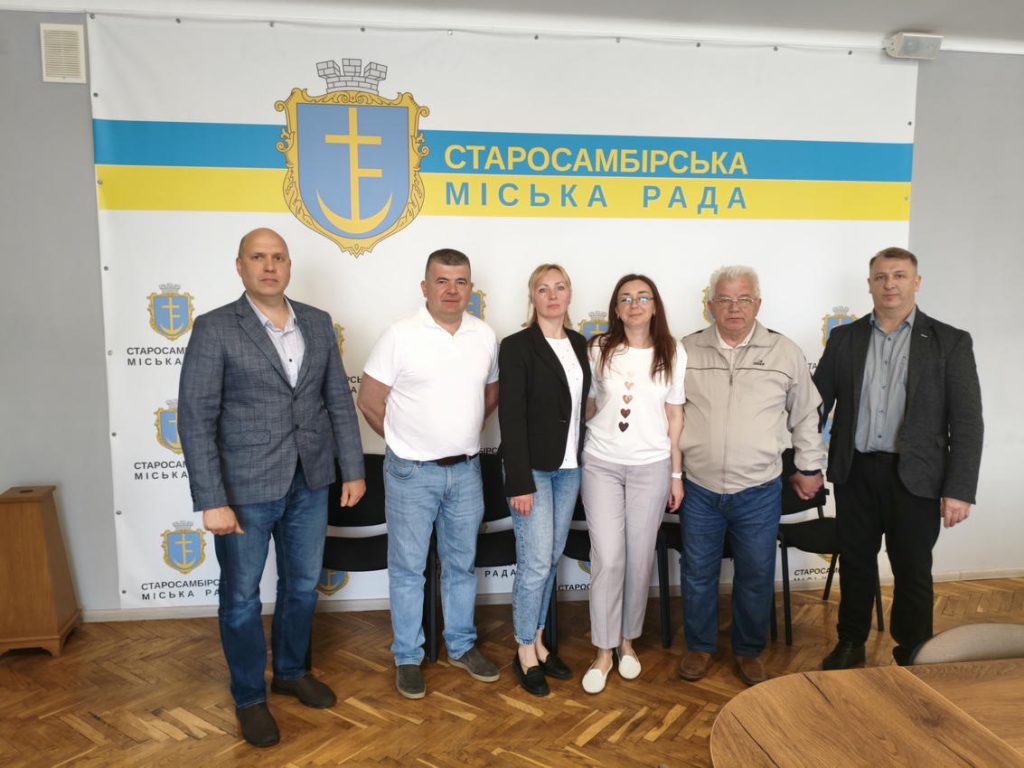
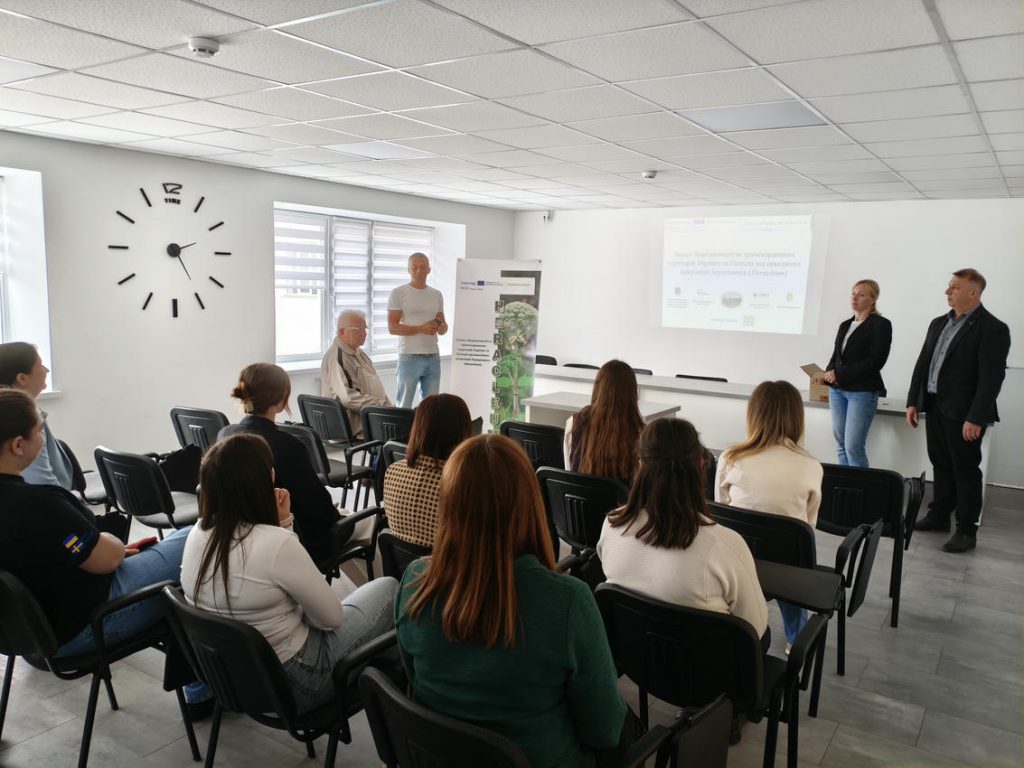
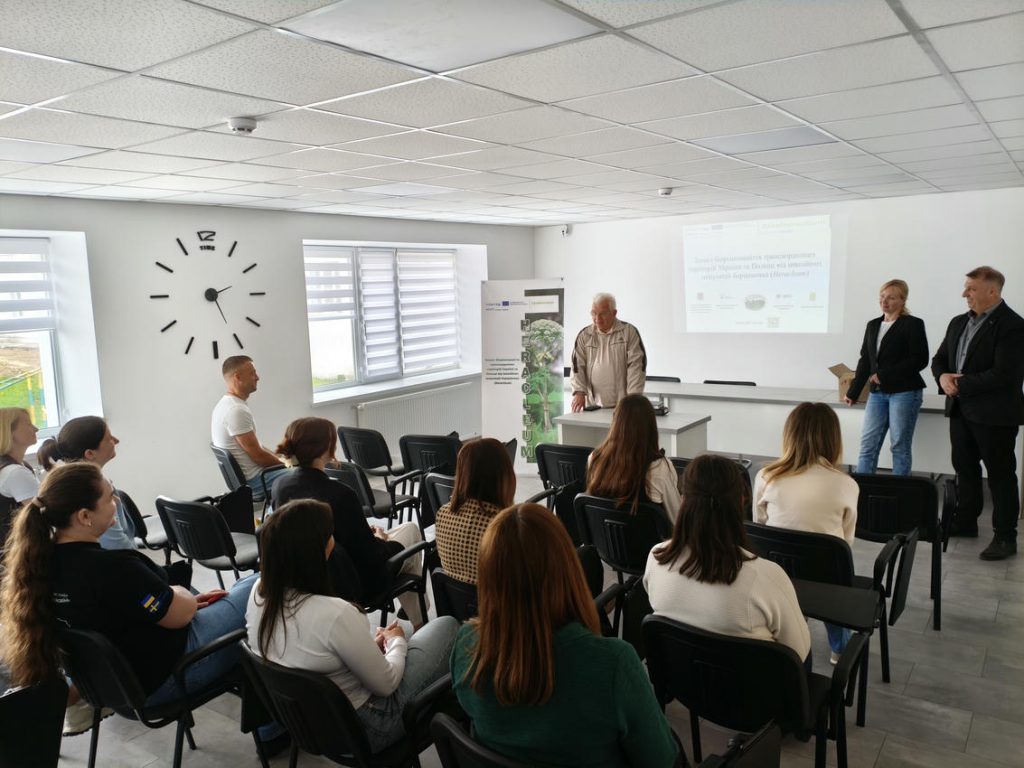
The first stage of the visit consisted of working meetings (workshops as part of Work Package WP9) with representatives of local government – the head of the Staryi Sambir urban territorial community, Ihor Trukhim, Mykola Drozd, Head of the Strilkivska Territorial Community, and project implementers from both communities. During a constructive dialogue, a strategy for action during the current growing season was agreed upon and an in-depth training session was held. The researchers highlighted the biological characteristics of hogweed that contribute to its aggressive spread and presented modern global methods for limiting its spread. All participants received handouts: notepads, pens and leaflets containing information about the project.
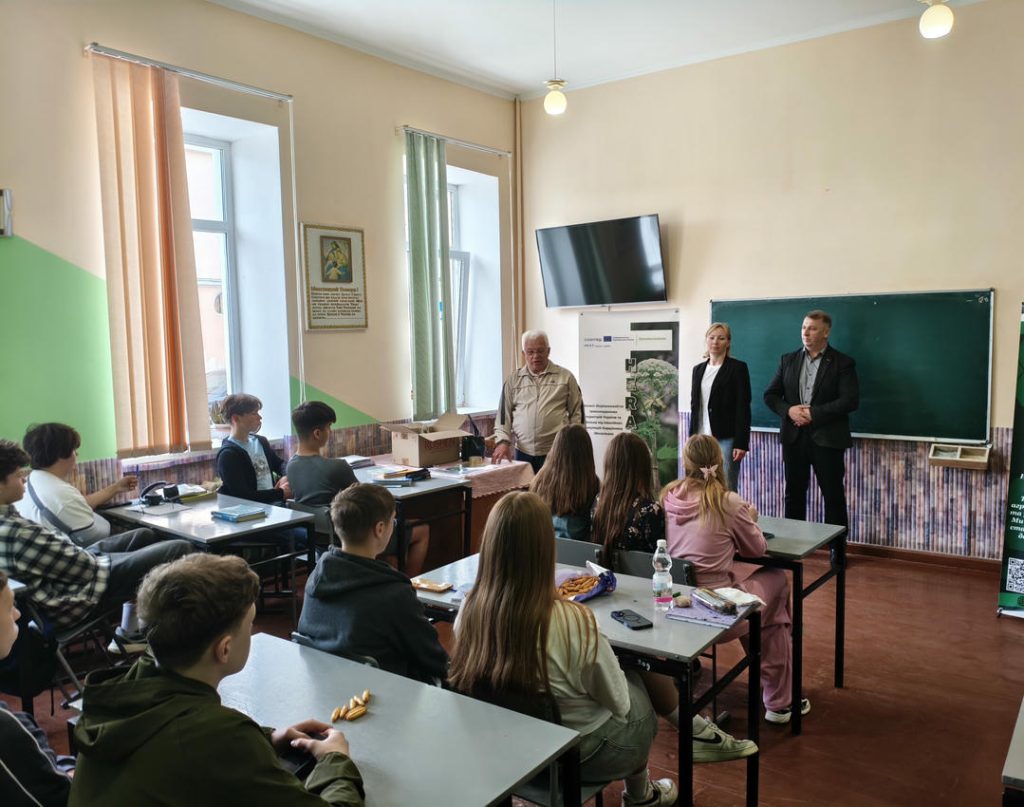
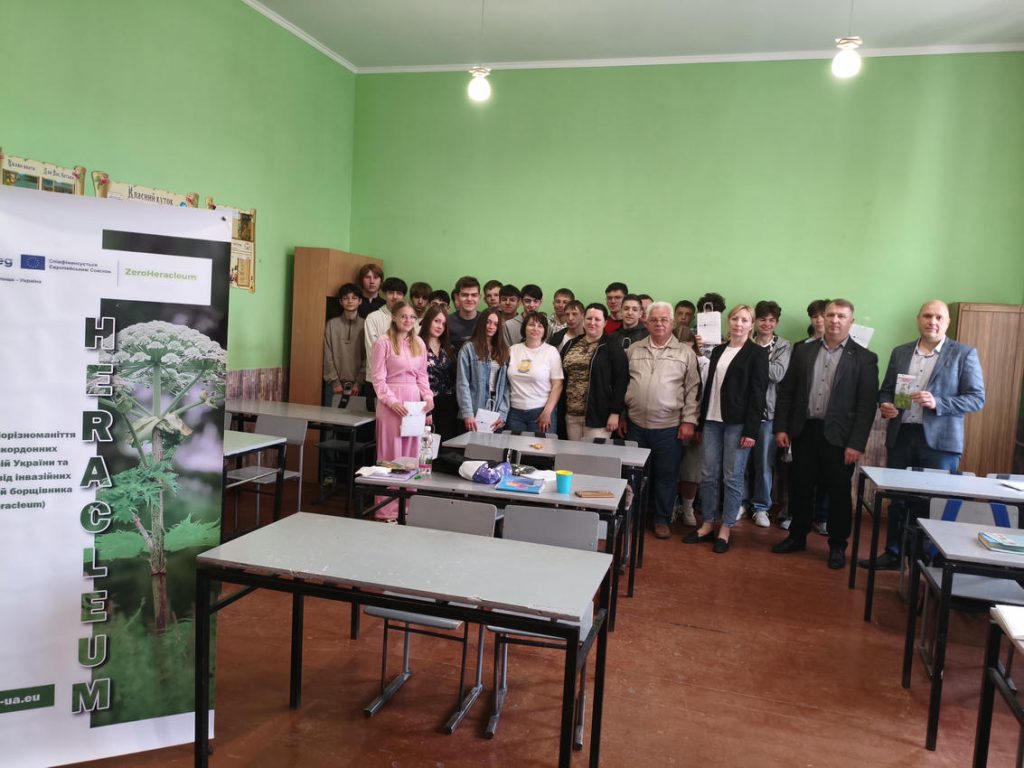
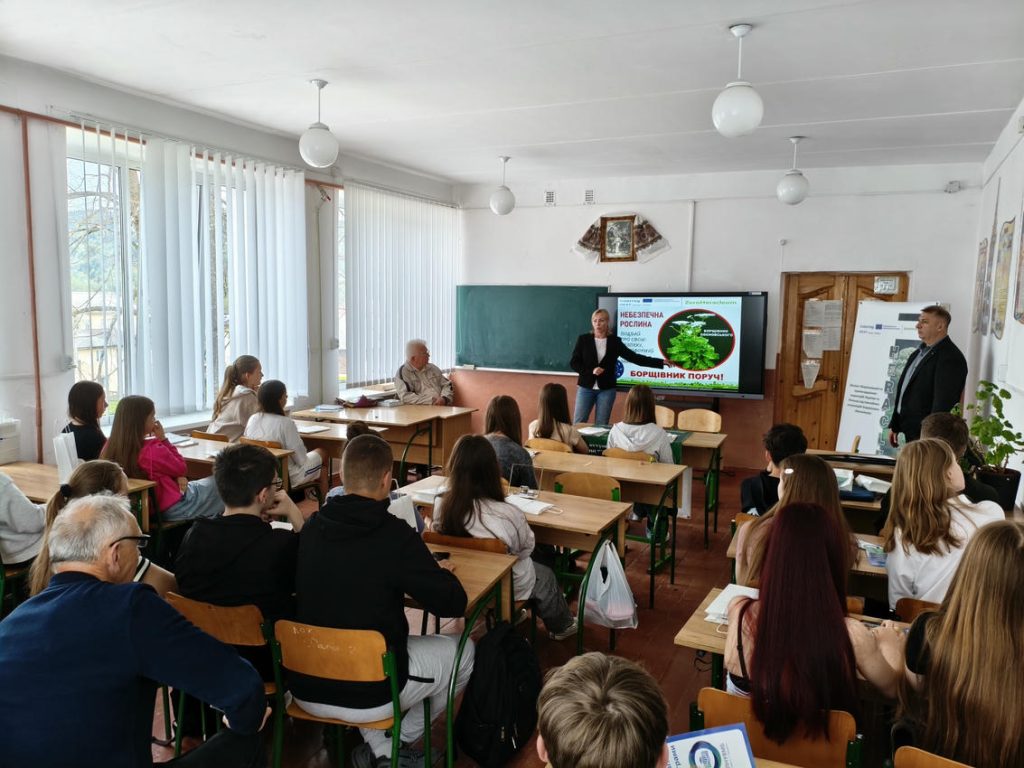
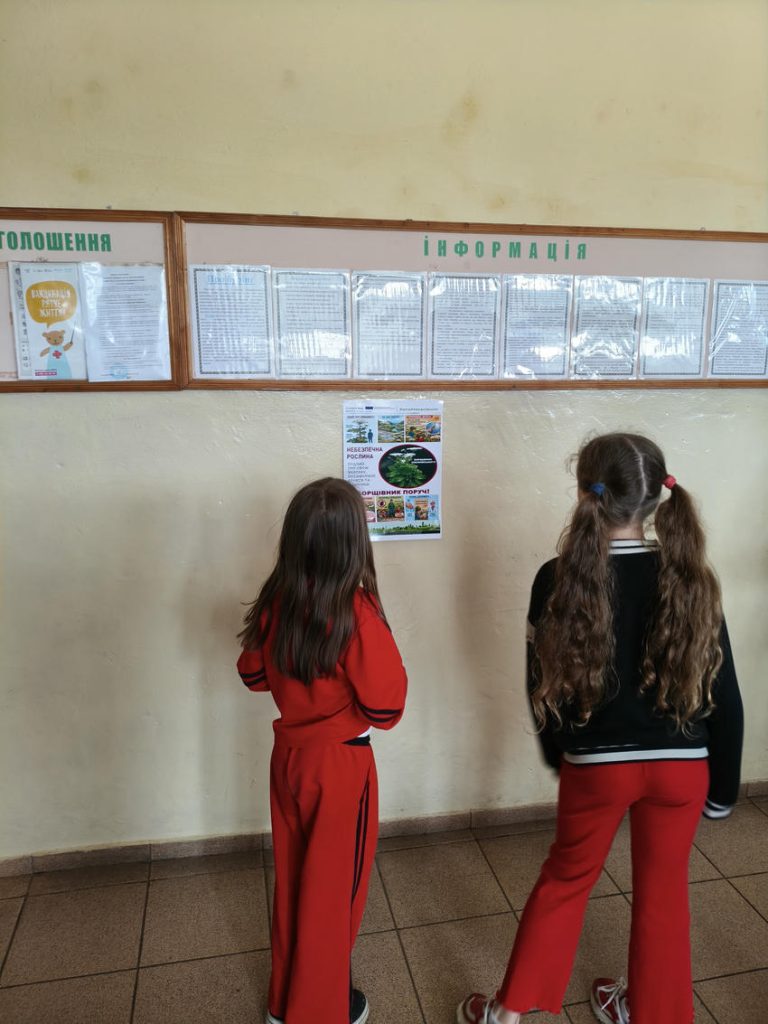
Particular attention was paid during the field trip to educational work with young people (as part of Work Package WP8). Themed workshops were held for pupils at Staryi Sambir Secondary School No. 2 (Years 1–3) and the Strilkiv Secondary School named after Father Mykhailo Verbytskyi (Years 1–3). The workshop participants showed considerable interest in the topic, as for the residents of these communities, hogweed is not just a ‘picture in a textbook’, but a dangerous neighbour growing along roads and rivers. Pupils learnt about the rules for handling the plant safely, as well as the procedure for administering first aid in the event of burns. Posters from the project, containing information about the dangers of giant hogweed, were displayed in both schools. At the end of the sessions, themed quizzes were held: the quickest-witted and most attentive participants received useful gifts – branded pencil cases and rucksacks bearing the ZeroHeracleum project logo, which will remind them of the importance of caring for the environment. Participants were also given notepads, pens and leaflets containing information about the project’s activities and the dangers of giant hogweed.
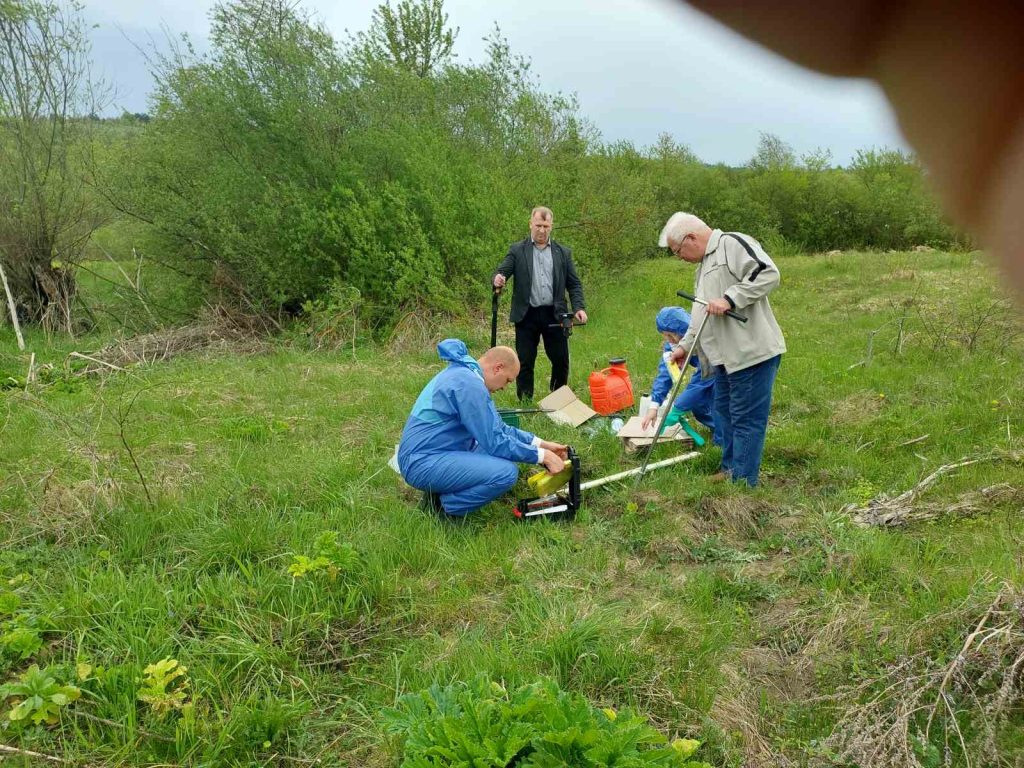
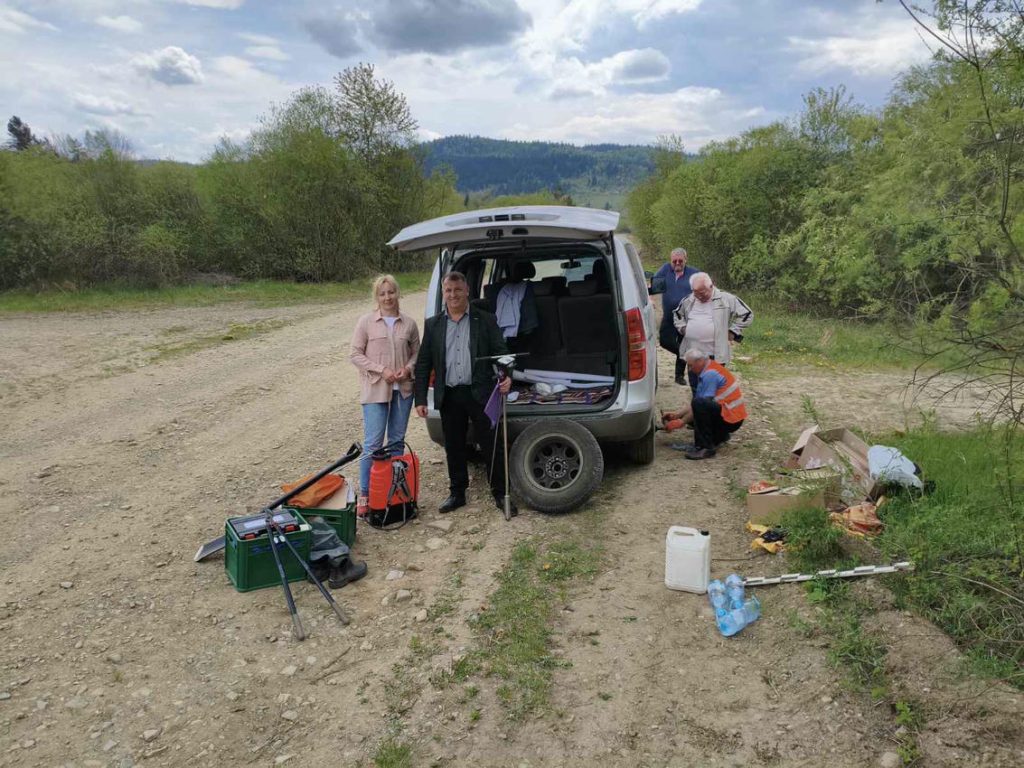
The
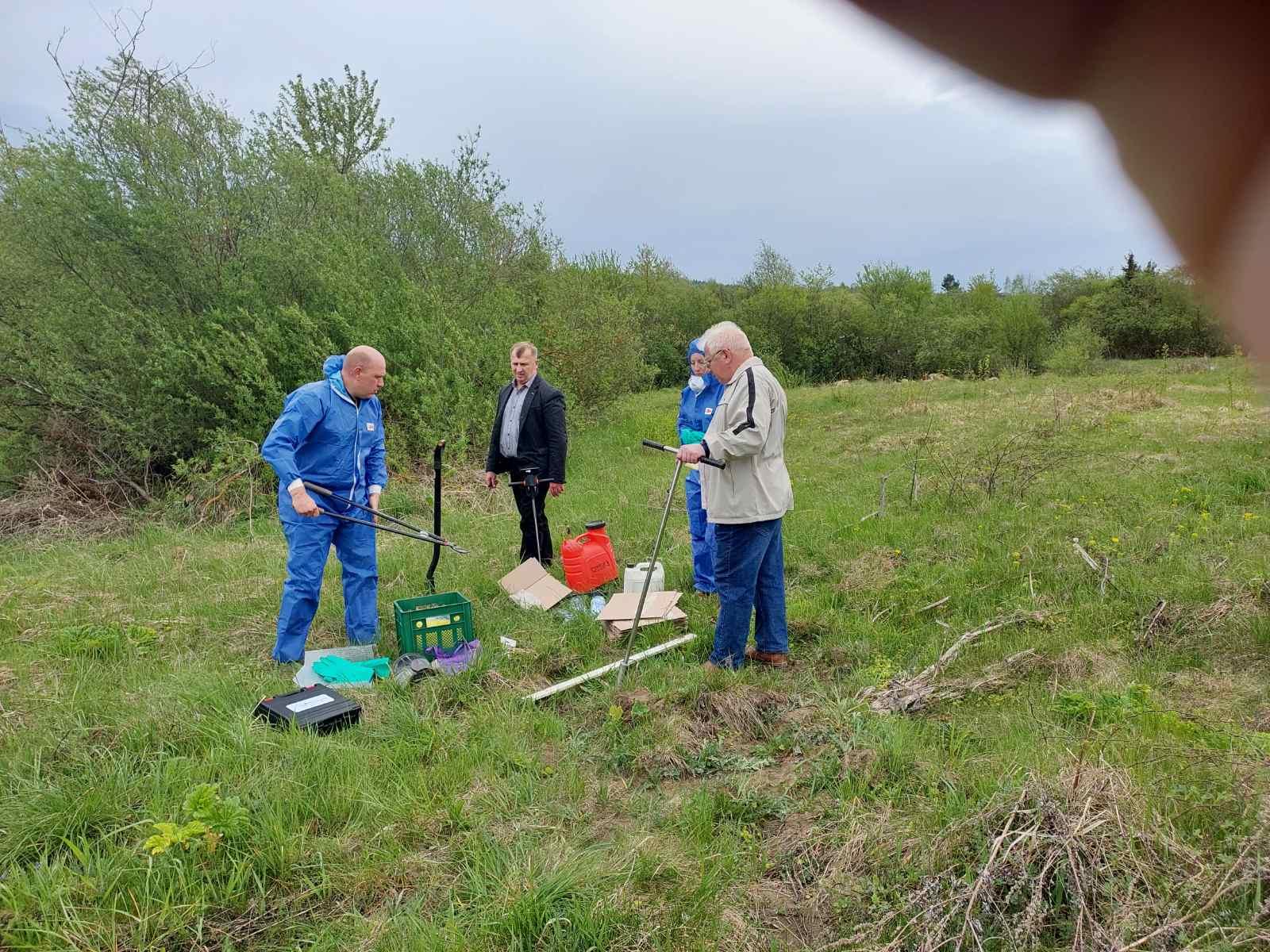
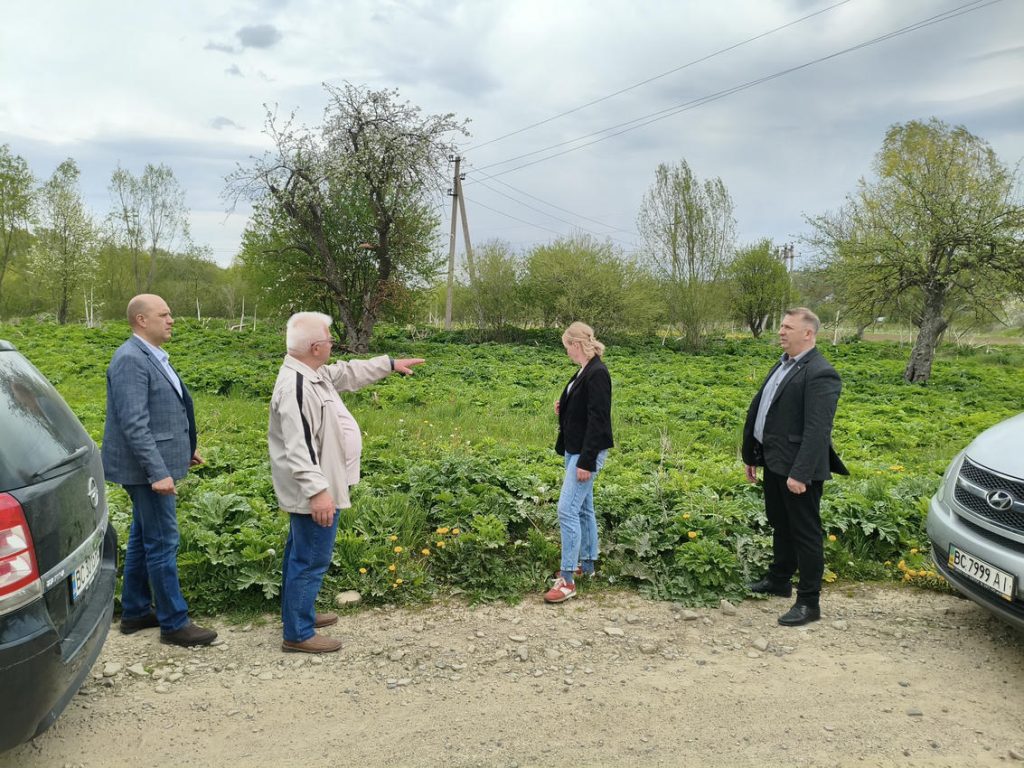
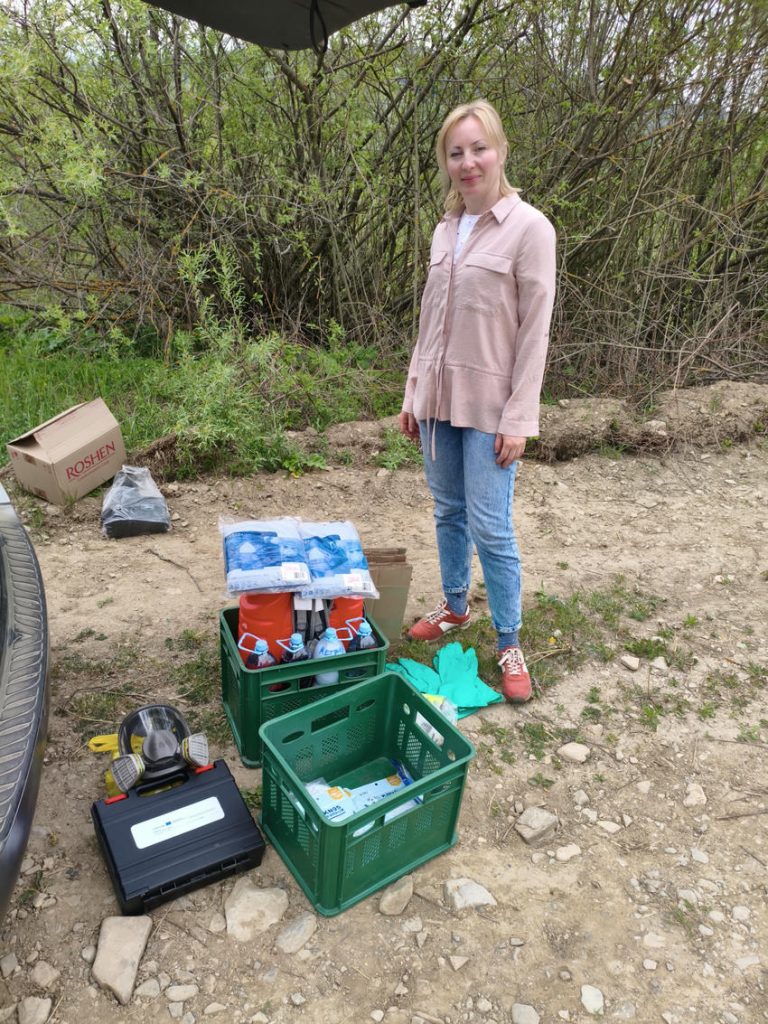
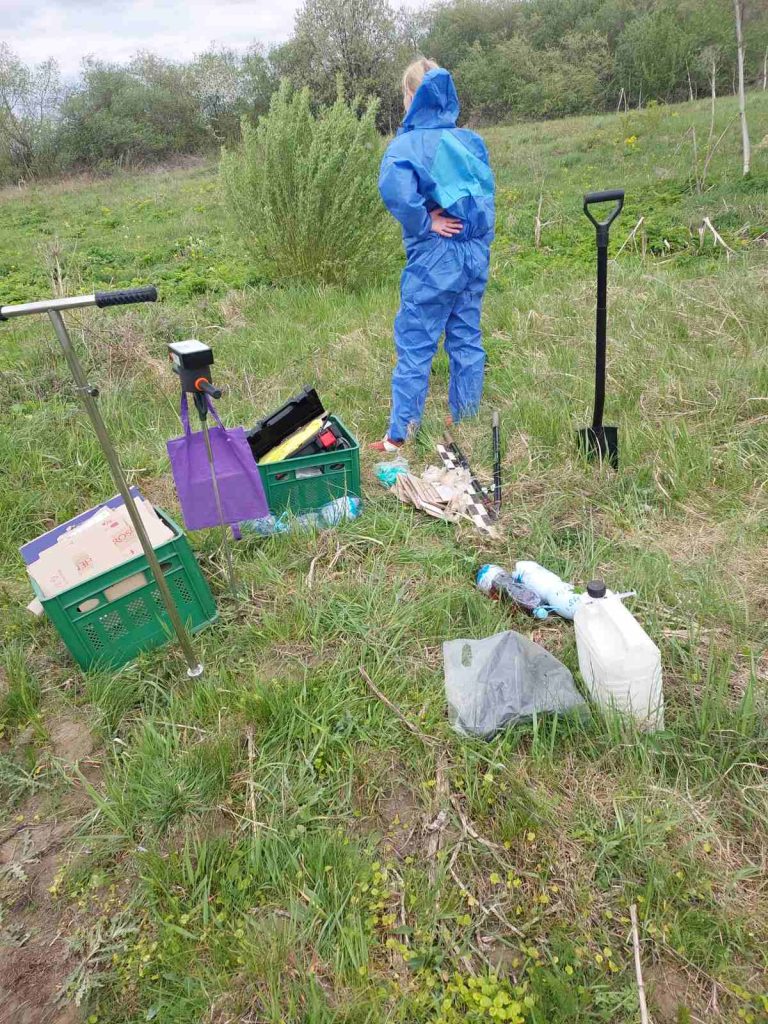
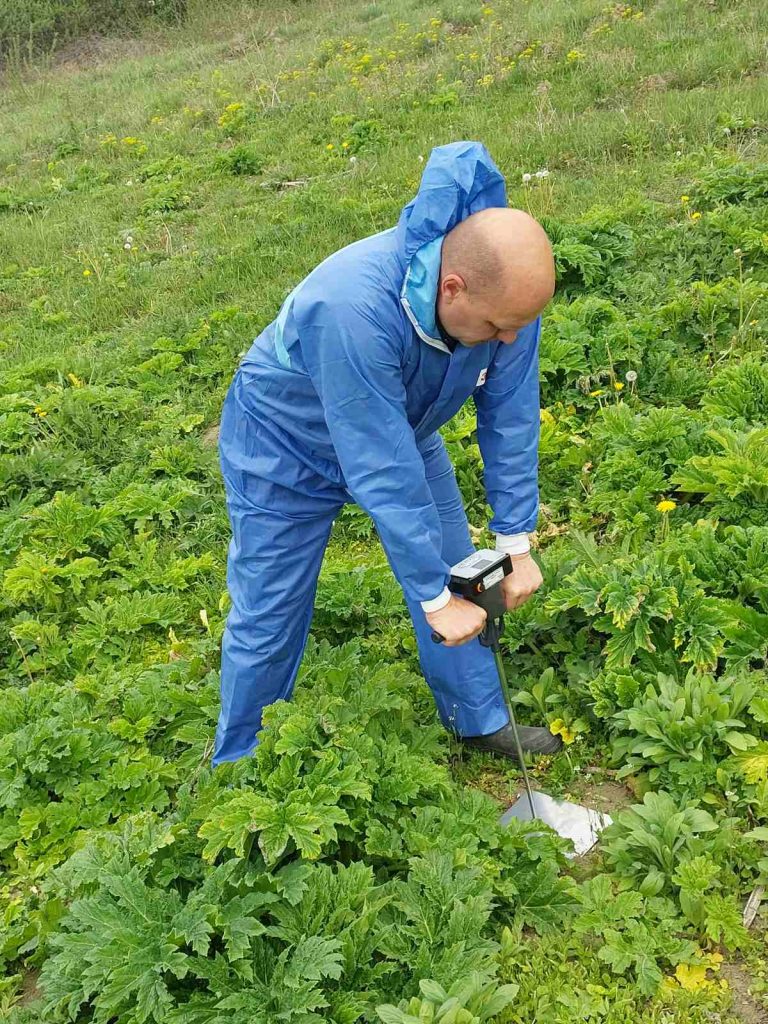
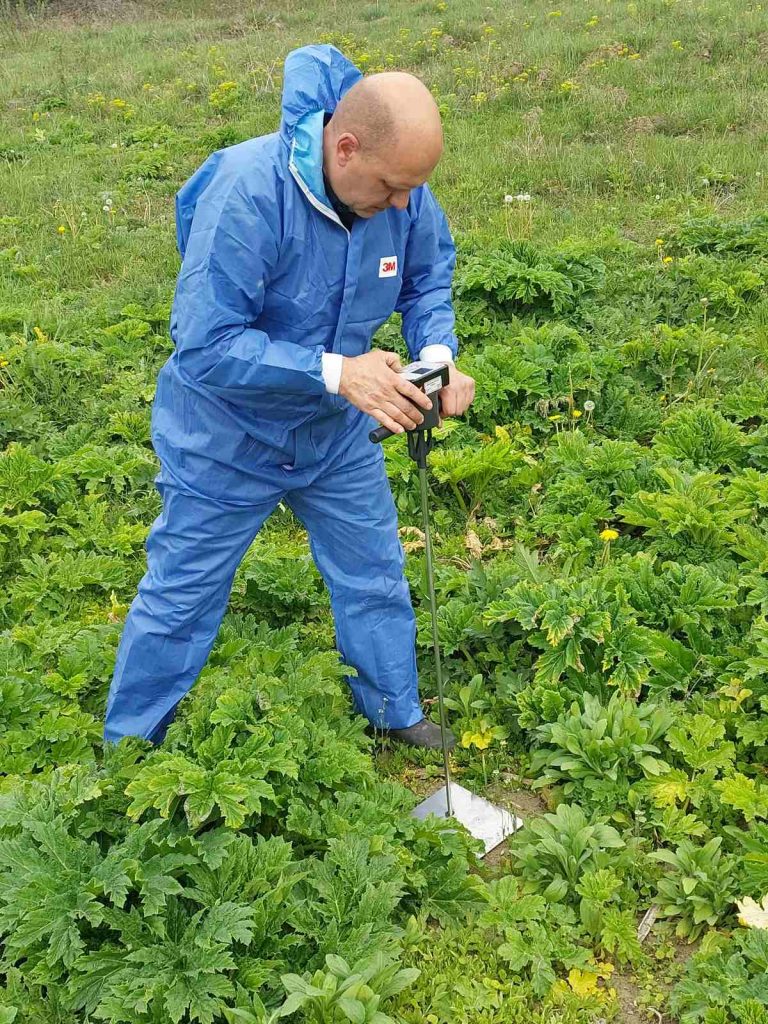
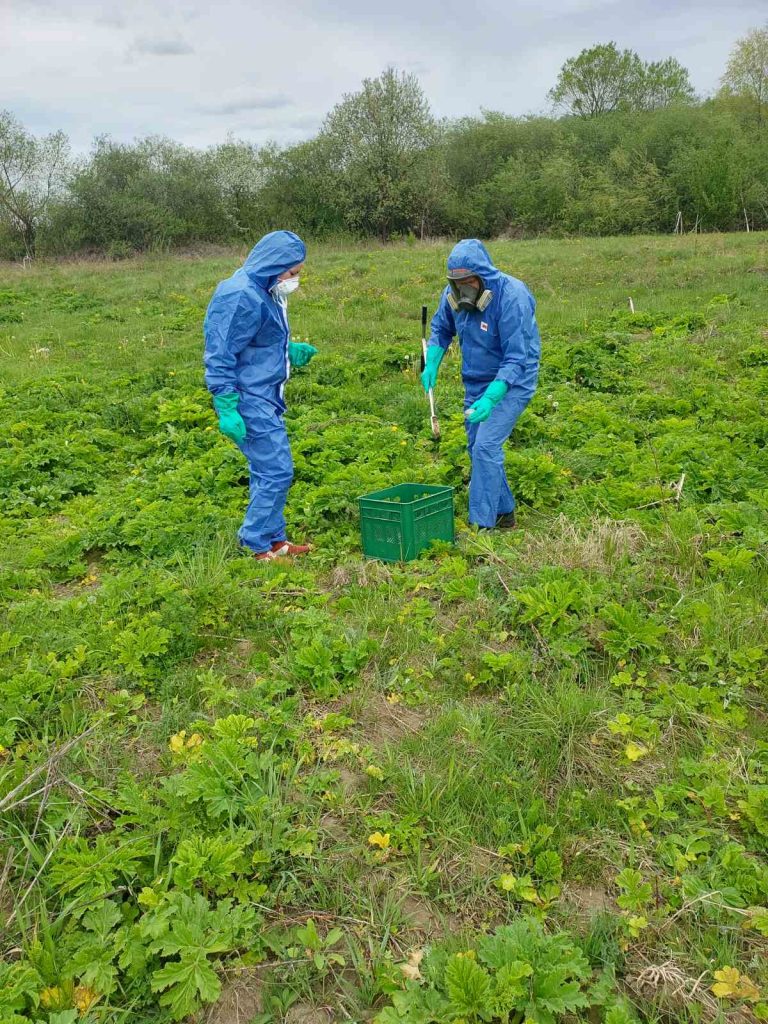
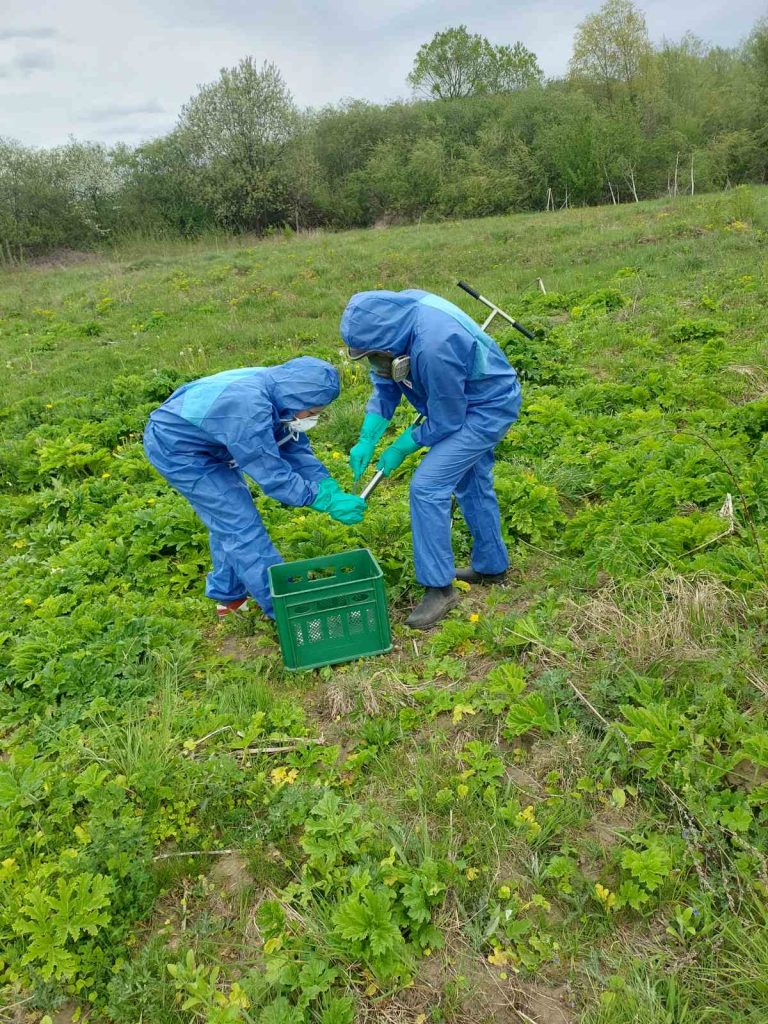
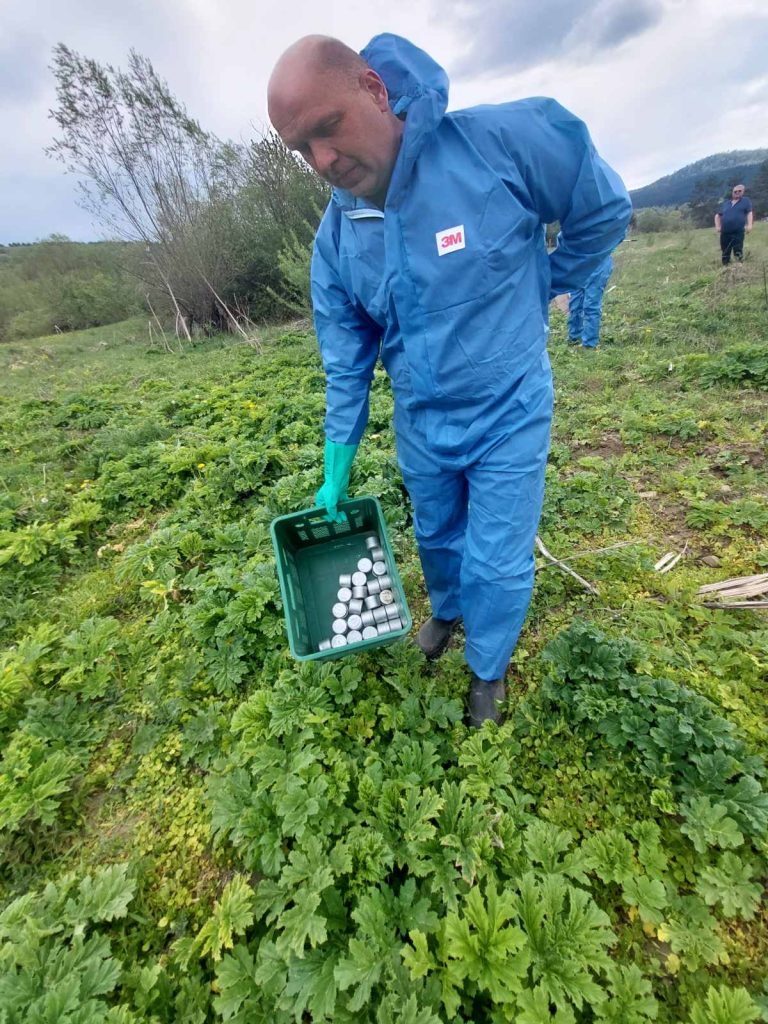
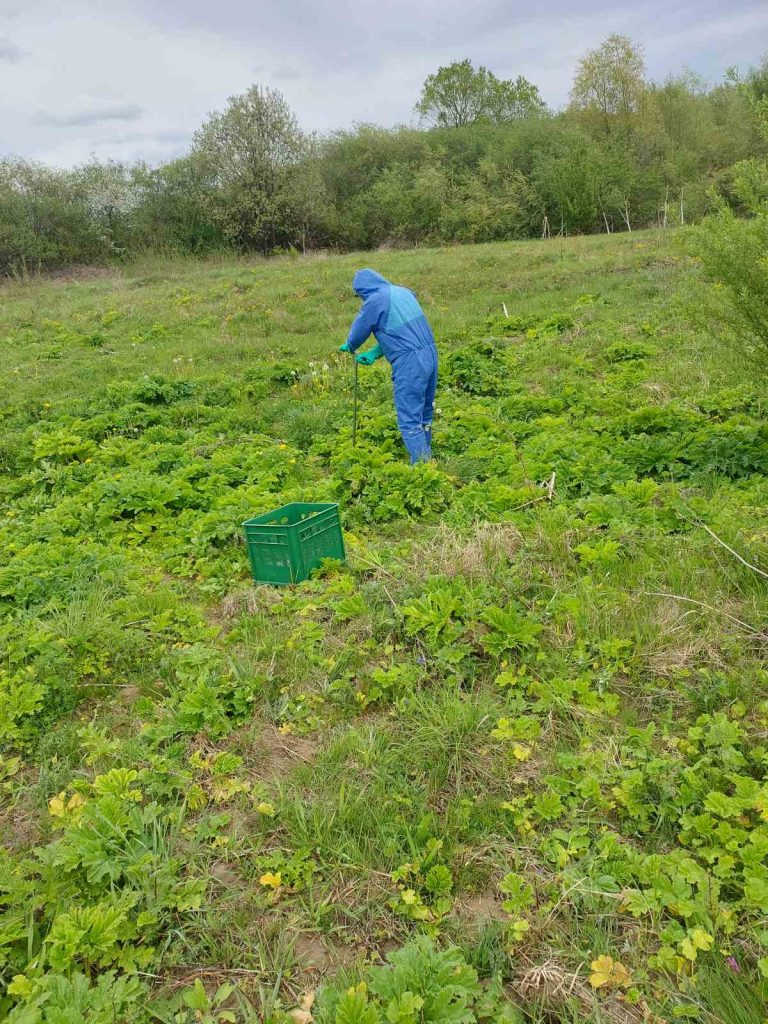
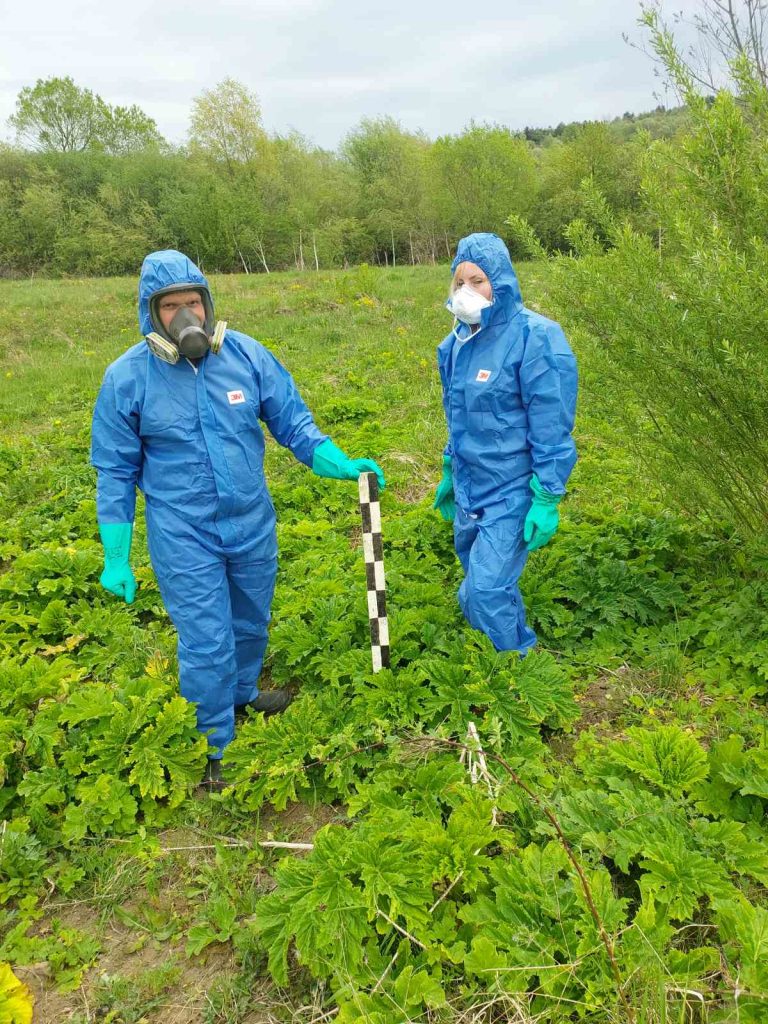
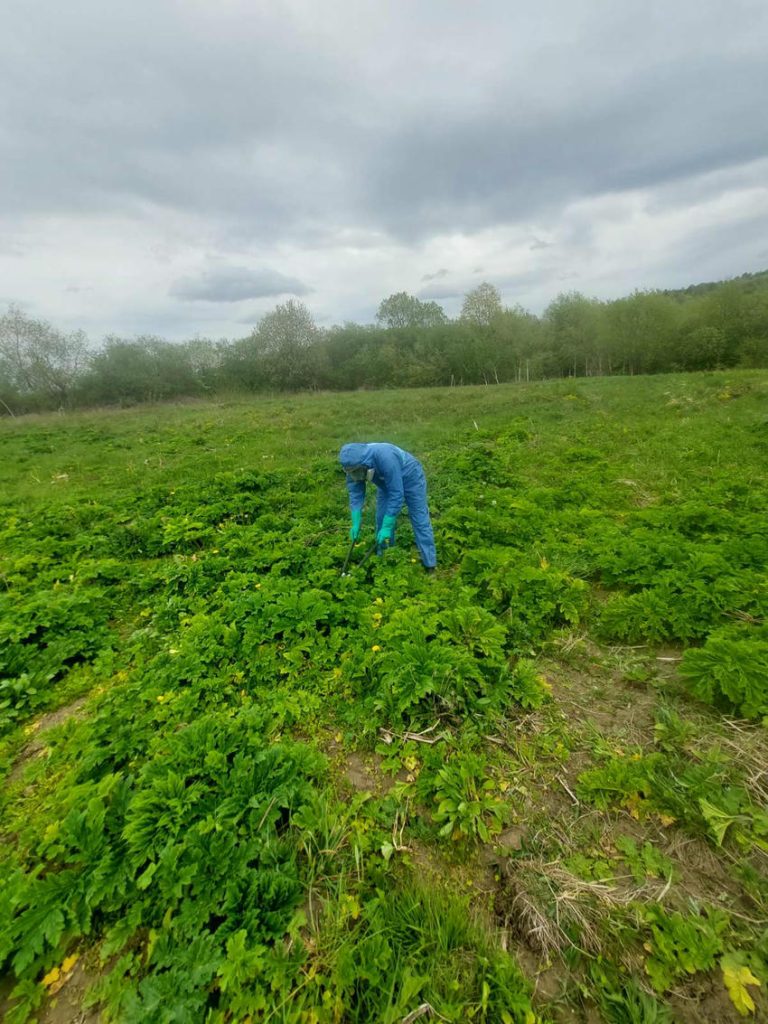
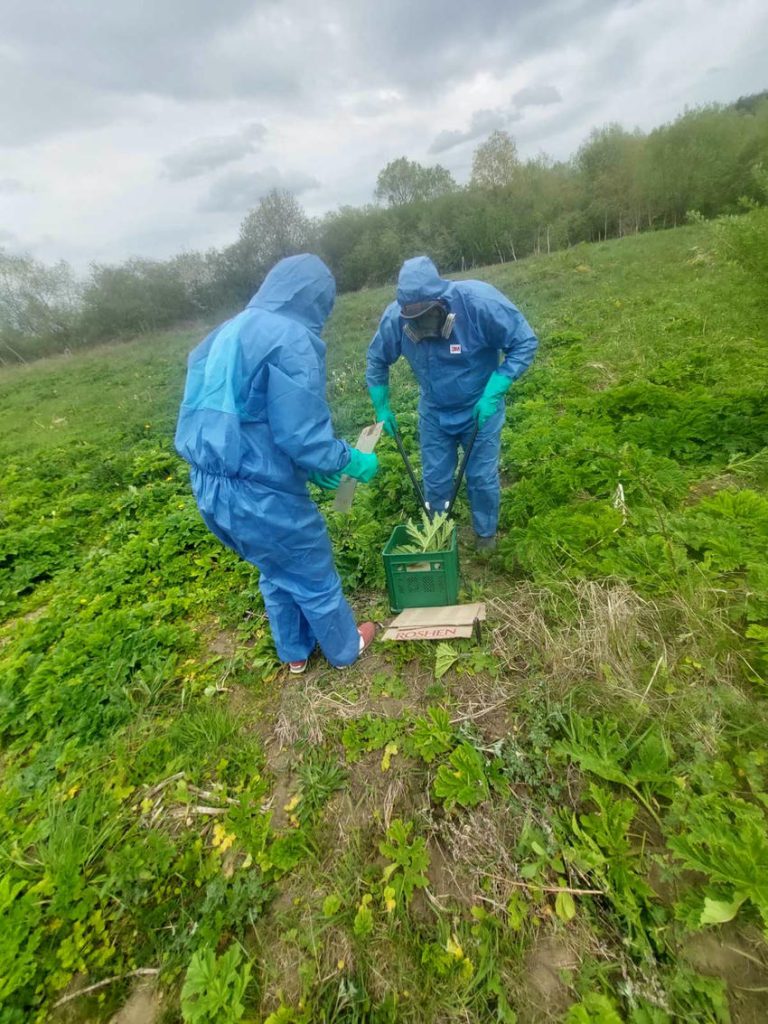
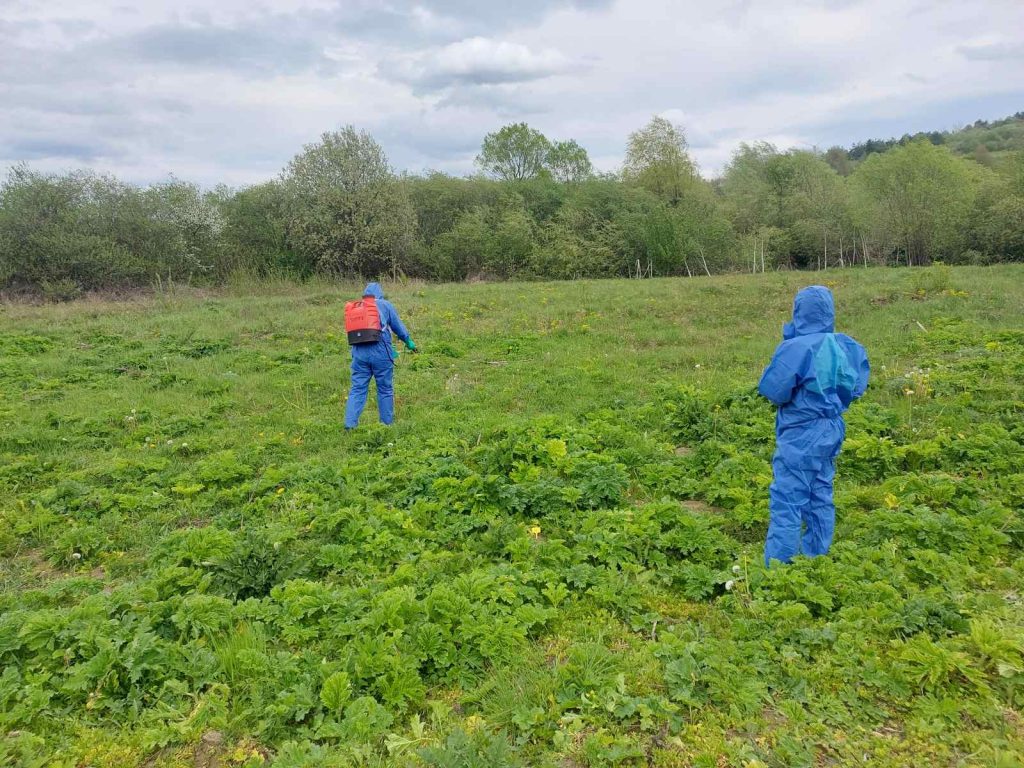
second half of the day was devoted to hands-on work ‘in the field’. In areas heavily infested with giant hogweed, the scientists set up a fully-fledged mobile laboratory. They monitored the condition of the soil and plants, and collected soil samples and samples of plant biomass for further detailed analysis in the laboratory. The specialists determined the soil density and carried out a rapid assessment of the soil’s pH level on site. A key aspect was the establishment of experimental plots. The scientists treated the designated areas with specially selected herbicide mixtures. The aim of this stage is to test the effectiveness of the developed methods for controlling the spread of hogweed under real-world conditions, so that in future communities can be offered the most effective and environmentally sound method for ridding Ukrainian land of this invasive species.
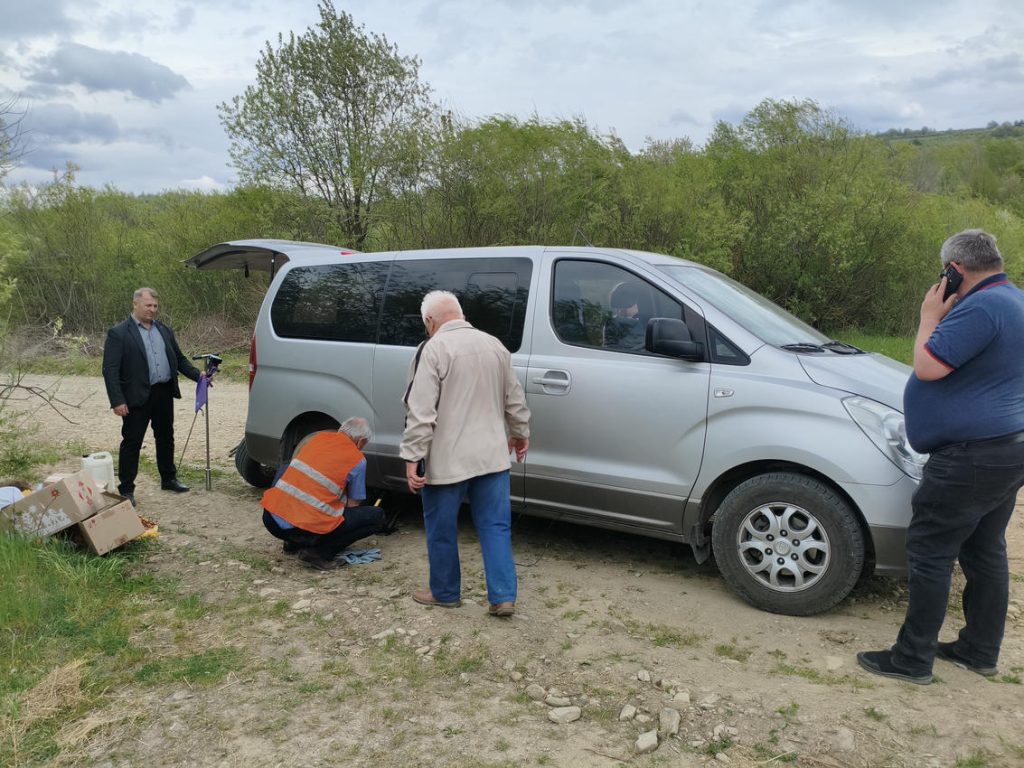
Despite a packed programme of activities and an unexpected situation the team encountered on the mountainous, rough terrain, the university’s specialists managed to successfully complete the tasks set and identify new areas of work, drawing on the results of field research and meetings with community representatives.
Find out more about the 𝙕𝙚𝙧𝙤𝙃𝙚𝙧𝙖𝙘𝙡𝙚𝙪𝙢 project
Interreg NEXT Poland – Ukraine
#EU#funds#InterregNEXT#Interreg#CBC#Programme#PL_UA#ZeroHeracleum