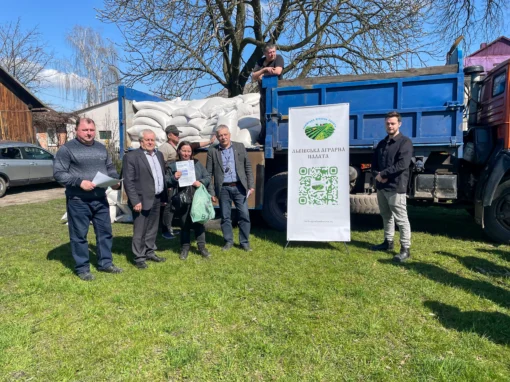
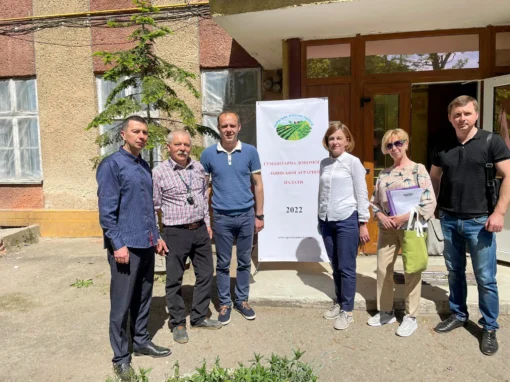
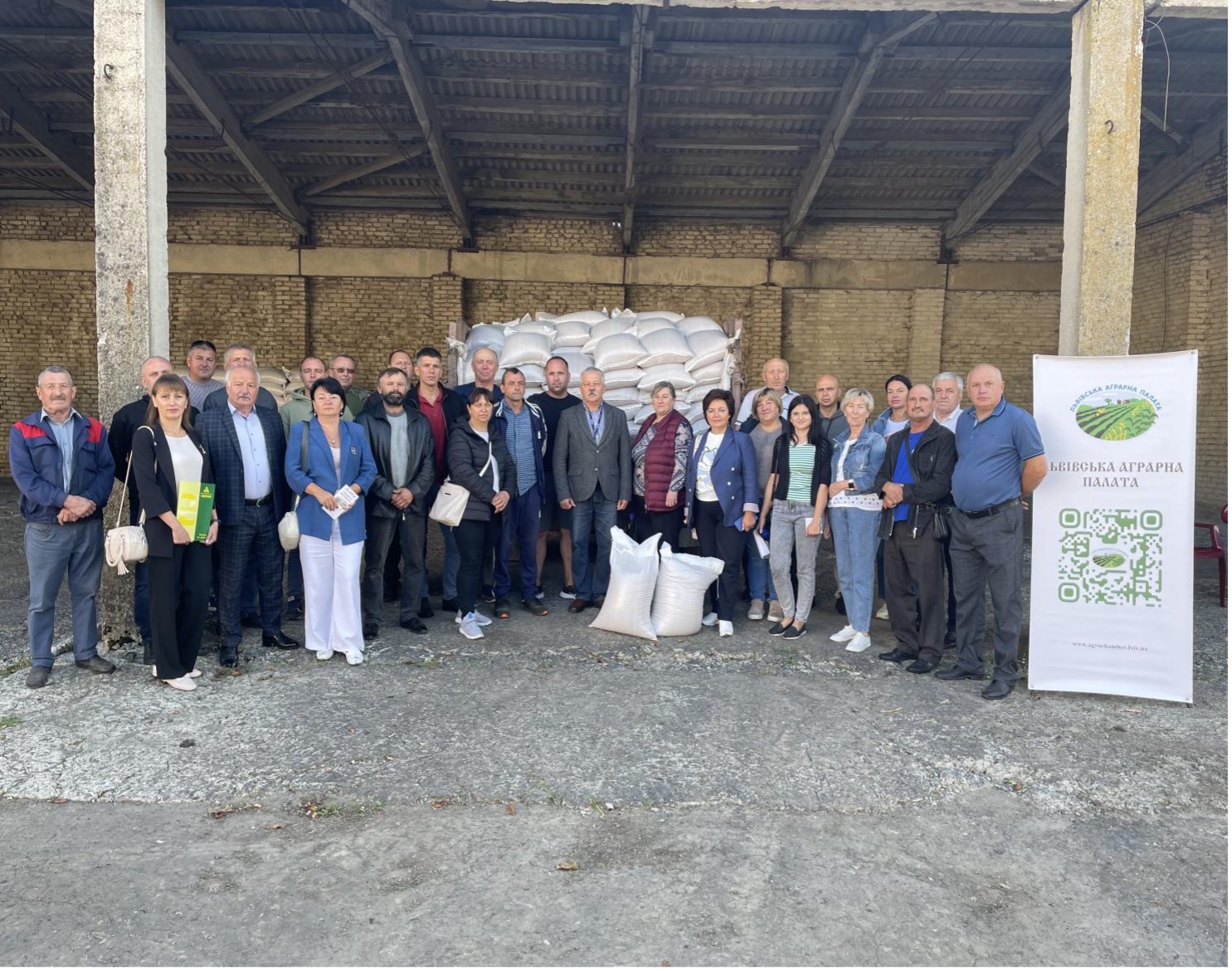
The Lviv Agrarian Chamber, with the support of the Department of Agricultural Development of the Lviv Regional State Administration and in partnership with the Pausa Café Social Cooperative (Italy), implemented the social project “Bread for Peace in Ukraine” in the Lviv region.
The main goal of the project is to support agricultural producers by providing seed material. This initiative plays an important role in strengthening food security and stability in the agricultural sector, which is particularly important in the context of war and economic challenges.
The project aims to support small and family farms engaged in livestock breeding and the cultivation of grain and vegetable crops. The winter wheat seeds and grass mixtures obtained enabled farmers to continue production and maintain the viability of their farms.
The harvested grain will be processed into flour at facilities run by the social cooperative “Pausa Caffè” (Italy). This flour will be used to bake bread using natural sourdough, which will be sold through the well-known Italian retail chain “Cub”. Each loaf will bear the inscription “Bread for Peace in Ukraine,” symbolizing solidarity and support for Ukrainian farmers during the war. Part of the proceeds from the sale of this bread will go to help agricultural producers in the Lviv region.
In three years of implementation, the initiative has already become a significant source of support for more than 220 farmers and family farms, which, thanks to this project, have been able to resume work, provide for their families, and contribute to the development of the Lviv region’s economy.
Currently, the partners are planning the next activities within the framework of the project, which will take place in 2026.




Humanitarian component of the project
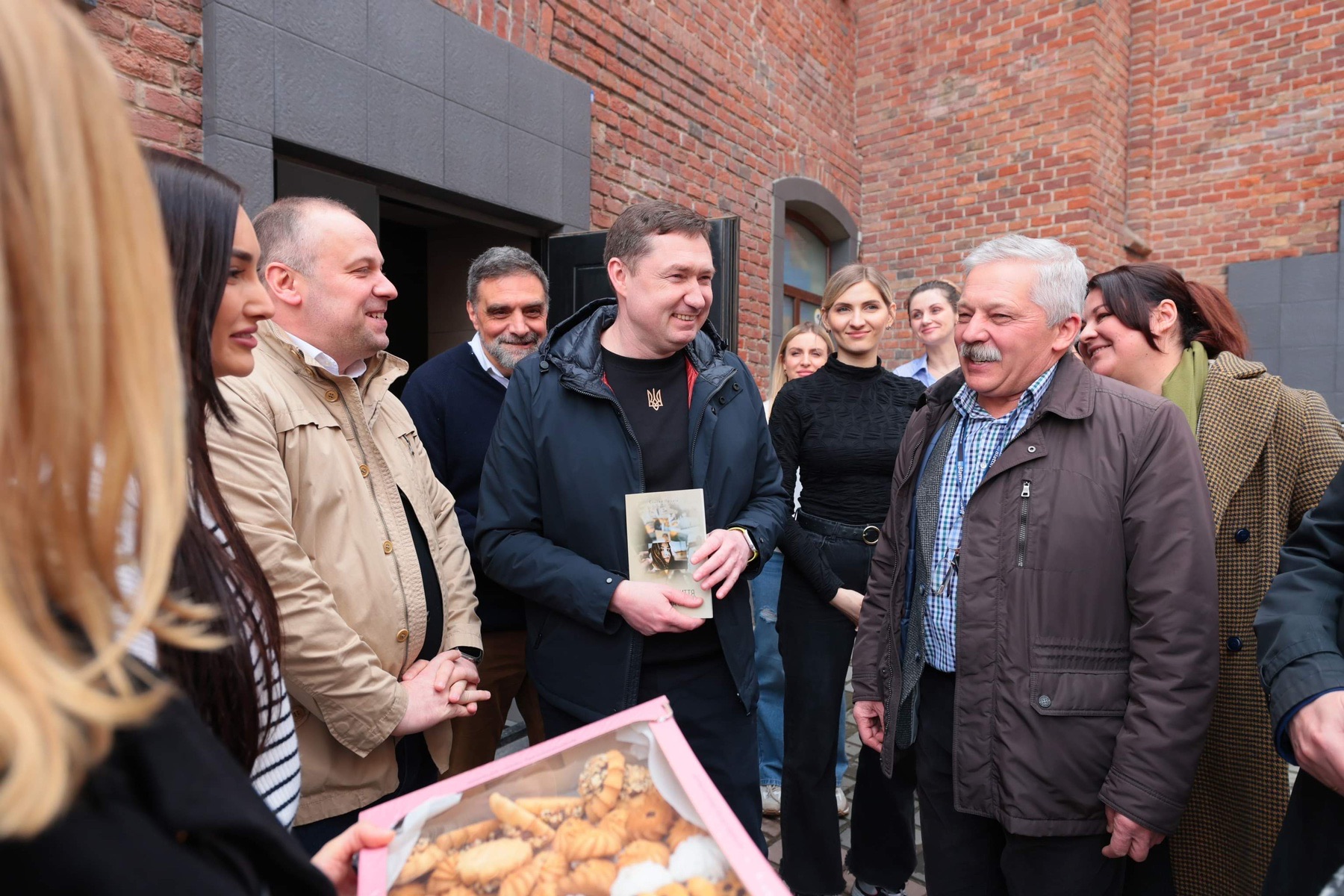
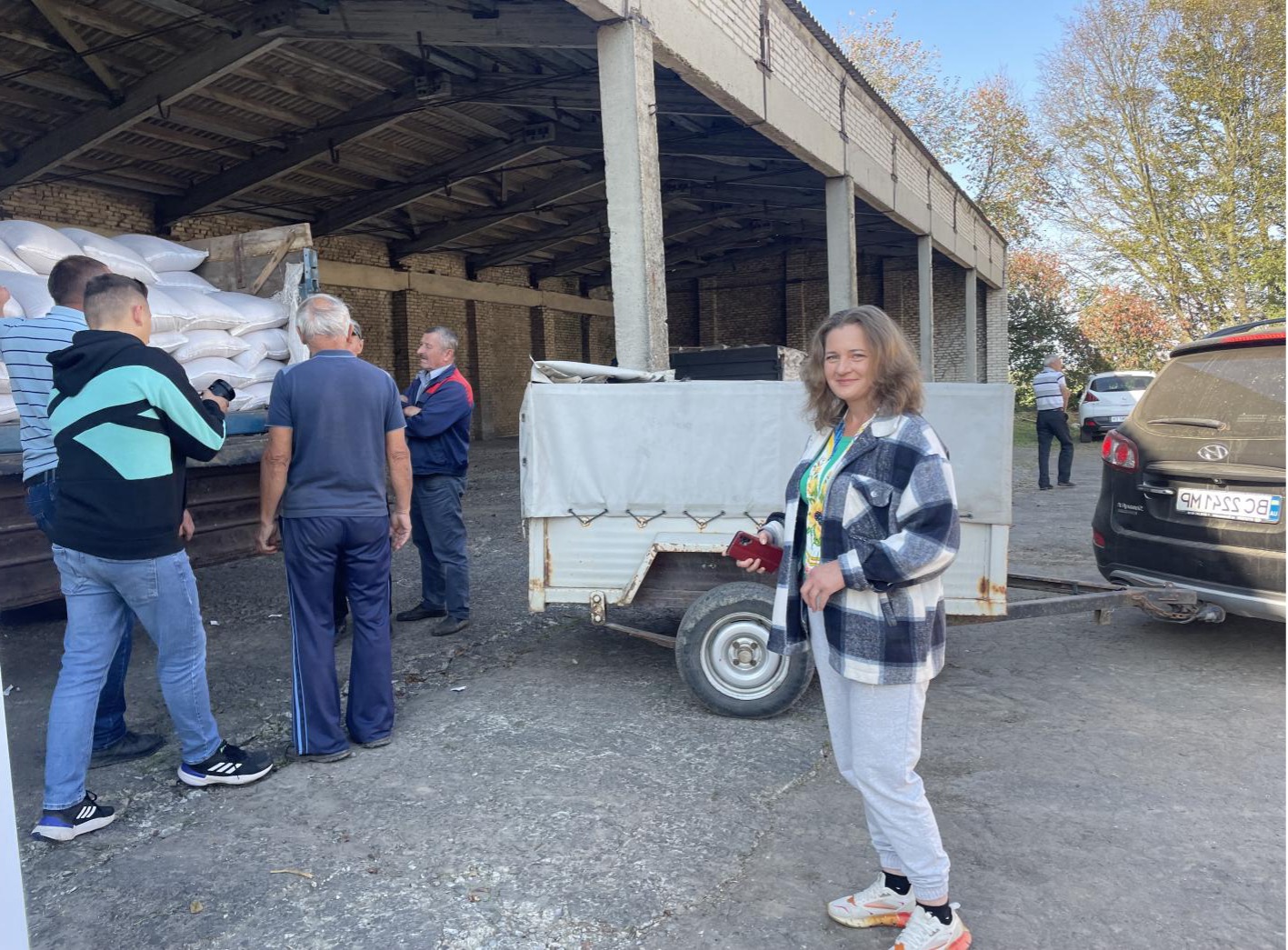
In addition to its main activities, the project also joined a humanitarian mission to support internally displaced persons (IDPs) in the Lviv region. In cooperation with local farmers and the Italian social cooperative Pausa Café, food packages consisting of products from local producers were organized.
This initiative is particularly important in the conditions of martial law, when thousands of people have lost their homes and need help. The project not only helped meet the basic needs of the affected population, but also supported local producers by creating stable demand for their products and contributing to the development of the region’s economy. Thus, the humanitarian component of the project became an important example of unity, mutual assistance, and solidarity between Ukrainian communities and European partners.