
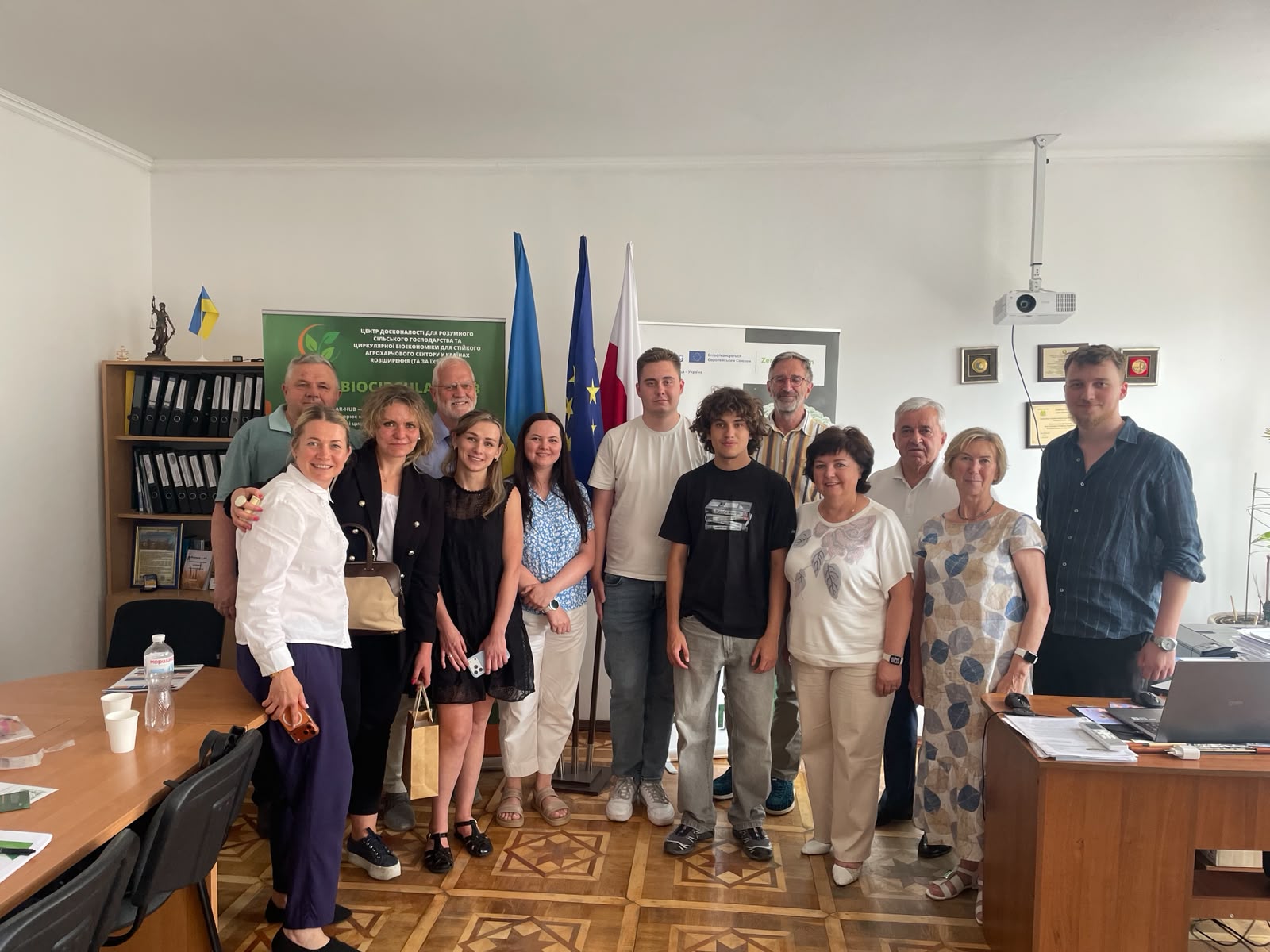
On Thursday, 2 July 2026, an official delegation from Sweden, from the canton of Dalarna — a historical province (landskap) in central Sweden, situated in the Svealand region — led by Sten-Runk Lundin, Senior Adviser on Rural Development and the Agricultural Sector, visited the Lviv Chamber of Agriculture.
The administrative centre of the province is the town of Falun, and the region itself is known as the ‘heart of Sweden’ thanks to its lakes (the largest being Siljan), forests and traditional folk culture, in particular the Dalarna wooden horses (Dalahäst) – the unofficial symbol of the entire country.
The participants from the Lviv Agrarian Chamber were Pavlo Muzyka, President of the LAC, Ihor Vuytsyk, Chairman of the Chamber, and Davyd Kravchenko, Communications Manager. Also taking part in the meeting were Lyudmyla Honcharenko, Director of the Department of Agro-Industrial Development at the Lviv Regional State Administration, and expert adviser Kateryna Krykunenko.
During the event, Ihor Vuytsyk explained how, in the first months of the full-scale war, the Chamber, with the support of international donor funds and organisations, organised the supply of long-life foodstuffs and essential items for thousands of internally displaced persons forced to leave their homes due to the hostilities. Such aid was provided not only to IDPs in the Lviv region, but also in frontline regions: the Sumy, Chernihiv, Kharkiv and Mykolaiv regions. It was established and continued throughout 2022–2025.
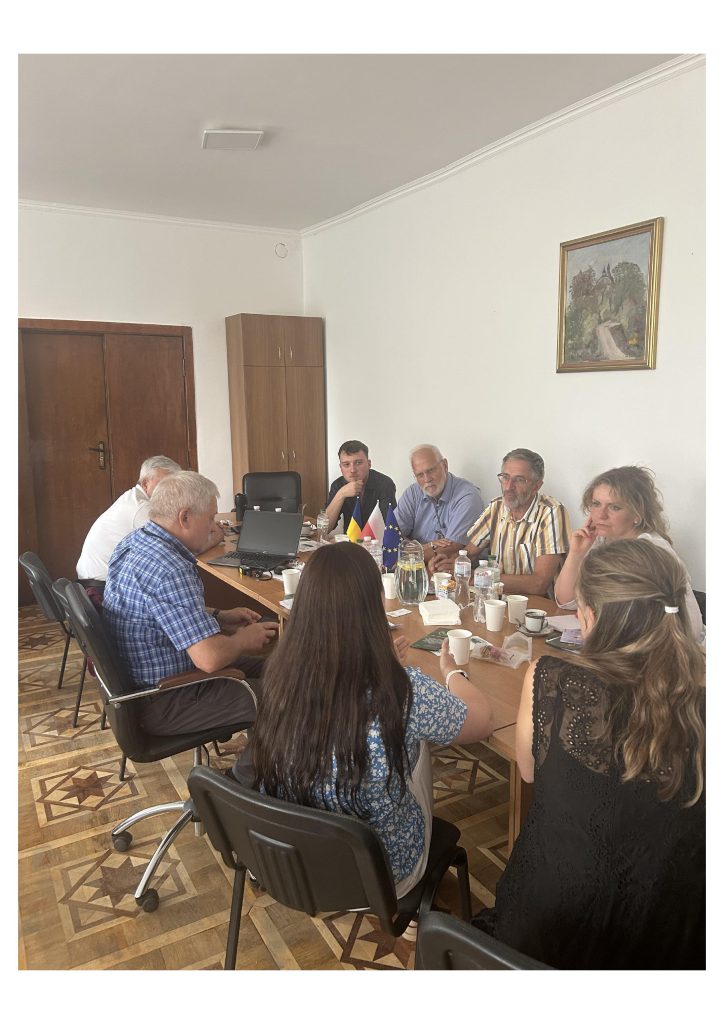
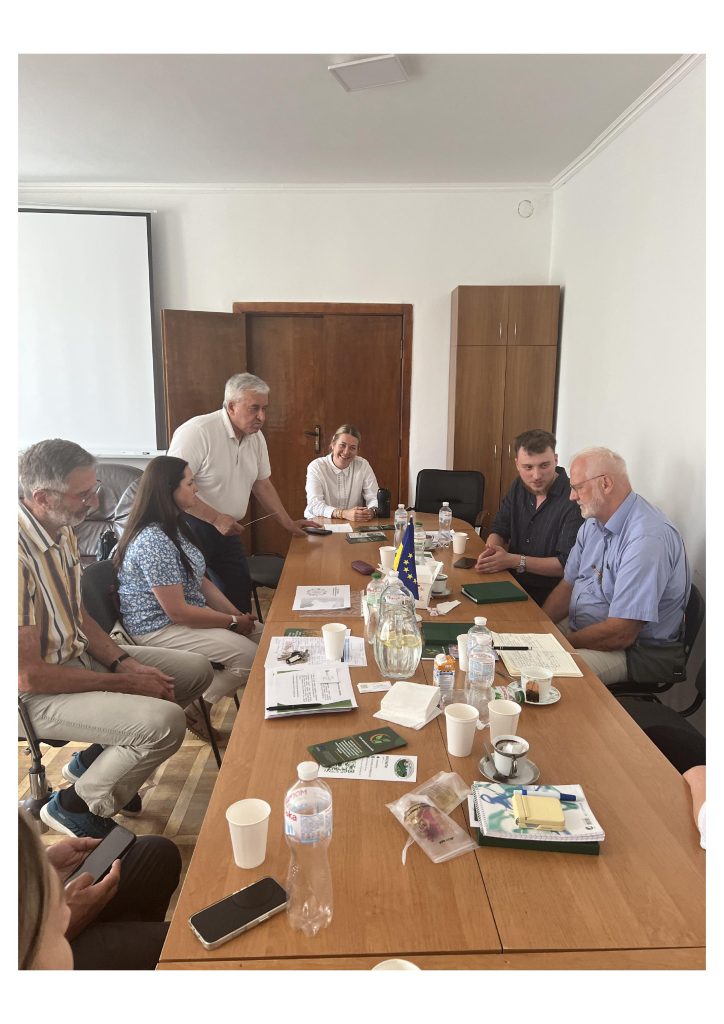
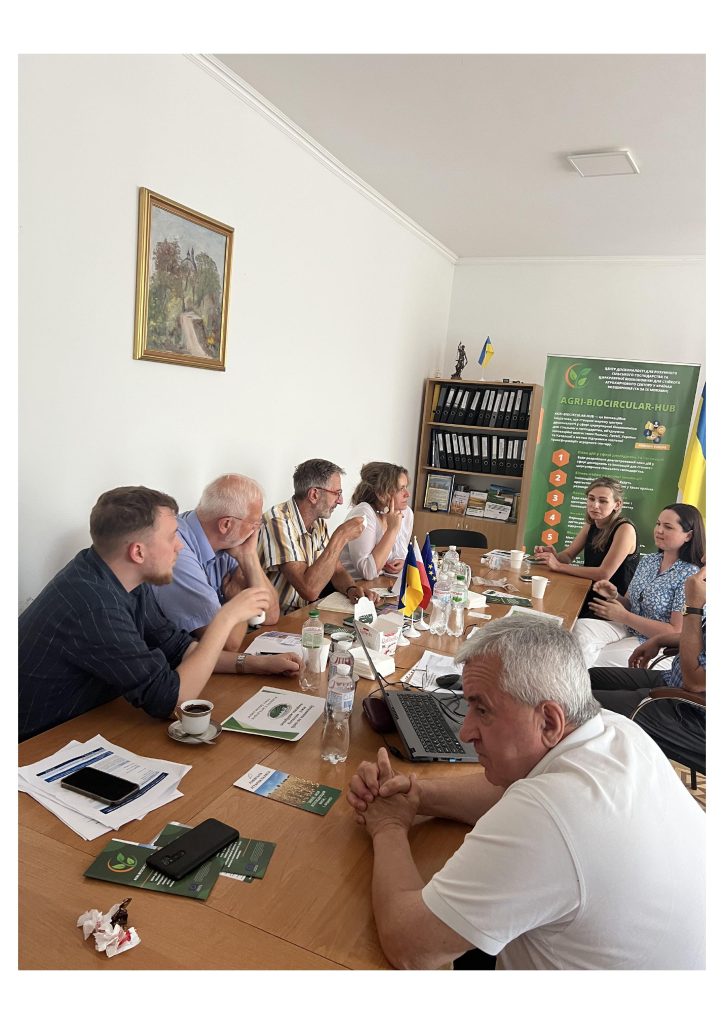
Lyudmyla Honcharenko noted that, since the start of the war, cooperation between the central government, the regions and producers had been swiftly established to ensure Ukrainians were supplied with food. According to her, the government promptly adopted decisions that allowed for the procurement of essential goods without lengthy tender procedures, and also coordinated the distribution of food across the regions. Certain regions helped to supply produce to those areas where the greatest difficulties arose due to the hostilities. Discussions also centred on the restoration of logistics, support for agricultural enterprises and the search for new sales channels for produce in wartime conditions.
A separate section of the meeting was devoted to enterprises in the Lviv region. The agricultural firm ‘Shchedryi Urozhay’ presented its own full-cycle hop production – from cultivation to processing into pellets for the brewing industry. The company also presented a project idea involving the conversion of plant residues into compost, with a view to subsequently bringing this product to market. Olga Sirman, owner of the craft producer ‘Jelly Bar’, which makes jelly sweets containing alcohol, presented her products.
Representatives of the Lviv Agrarian Chamber also briefed guests on international projects currently being implemented in the region. One of these is aimed at developing a circular bioeconomy and supporting businesses involved in the processing of organic waste. Another aims to combat Sosnowski’s hogweed and protect the natural biodiversity of areas in the border regions of Ukraine and Poland. During the meeting, discussions also centred on support for internally displaced persons who, after relocating to the Lviv region, have been able to restart or set up their own businesses in the food production sector.
Finally, the parties discussed prospects for further cooperation between the Lviv Agrarian Chamber and its Swedish partners, particularly in the development of the agricultural sector, the implementation of international projects and support for local producers.
Authors: Yurii Polovyi, Roman Prydyba